

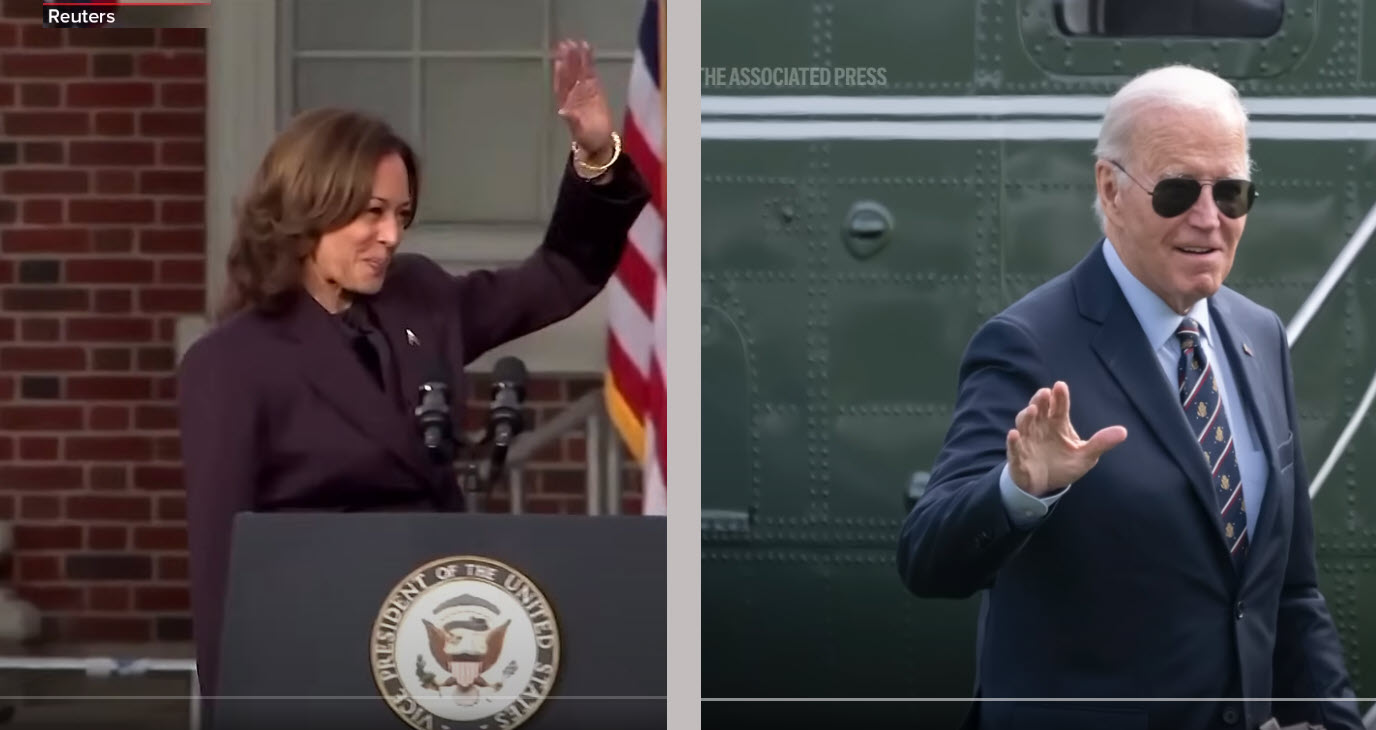
The recent U.S. presidential election has left Democrats grappling with introspection and finger-pointing as they try to understand why Vice President Kamala Harris failed to prevent Donald Trump’s return to the White House. Key allies of Harris are pointing to President Joe Biden’s delayed withdrawal from the race as a factor that may have hindered Harris’s campaign and damaged the Democratic Party’s momentum in a brutal, closely contested election.
According to party insiders, Biden’s late exit denied Harris the crucial time she needed to rally the Democratic base and expand her appeal to undecided voters. Former House Speaker Nancy Pelosi publicly suggested that an earlier decision by Biden could have given Harris a stronger foothold in the race. “Biden’s decision to stay in the race longer than necessary may have hampered our chances,” Pelosi stated, reflecting the frustration within the party.
Political experts are dissecting Harris’s loss and highlighting the steep challenges her campaign faced. The election was marked by a polarized electorate, high-profile debates on immigration, inflation, and national security, and an aggressive campaign strategy by Trump. Analysts agree that while Harris brought experience and strong policy stances to the race, she struggled to differentiate herself and build a commanding narrative in the limited time she had after Biden’s withdrawal.
At a recent press briefing, White House Press Secretary Karine Jean-Pierre defended Biden’s decision, insisting that any “second-guessing” of the timing would be unproductive. “President Biden has always prioritized the country’s interests,” Jean-Pierre emphasized, adding that Biden felt his decision to step aside, even if later than some had hoped, was in the best interest of the party and the country. She noted that Biden was “proud of Kamala Harris” and dismissed claims that Harris lacked sufficient time, saying she “had plenty of time to make her case to American voters.”
Despite Jean-Pierre’s defense, questions continue to swirl around whether an earlier transition might have better positioned Harris to counter Trump’s forceful comeback. Many of Harris’s allies argue that she was deprived of valuable campaign time and resources, factors that they say were crucial in the face of Trump’s fervent support among conservatives and increasing appeal to undecided voters.
A larger debate is now emerging within the Democratic Party about the overall campaign strategy and the party’s readiness to counter a candidate like Trump, who has proven to have a resilient base and high-profile support. Some strategists point to Harris’s lack of a definitive message that could resonate with both progressive and moderate voters as a missed opportunity, while others highlight that Trump’s team capitalized on economic concerns and disillusionment with the status quo.
The loss has sparked calls for a thorough review of the Democratic Party’s approach to presidential elections, particularly in an era where Trump and his brand of populism continue to hold significant influence. Democrats are evaluating the strengths and weaknesses of their primary candidates, messaging, and voter outreach efforts as they look ahead to future elections.
As the dust settles, many Democrats are calling for unity and for the party to learn from Harris’s defeat. Pelosi and other leaders emphasize that the party must focus on reconnecting with voters, particularly in swing states, to present a compelling alternative to Trump in upcoming elections. Harris, while defeated, is praised by her supporters for her resilience and commitment to the Democratic platform, with many suggesting she may still play a prominent role in the party’s future.
This election marks a turning point for the Democratic Party, sparking conversations about leadership, timing, and strategy in the face of an evolving political landscape.
Images taken from included videos in this article.

