

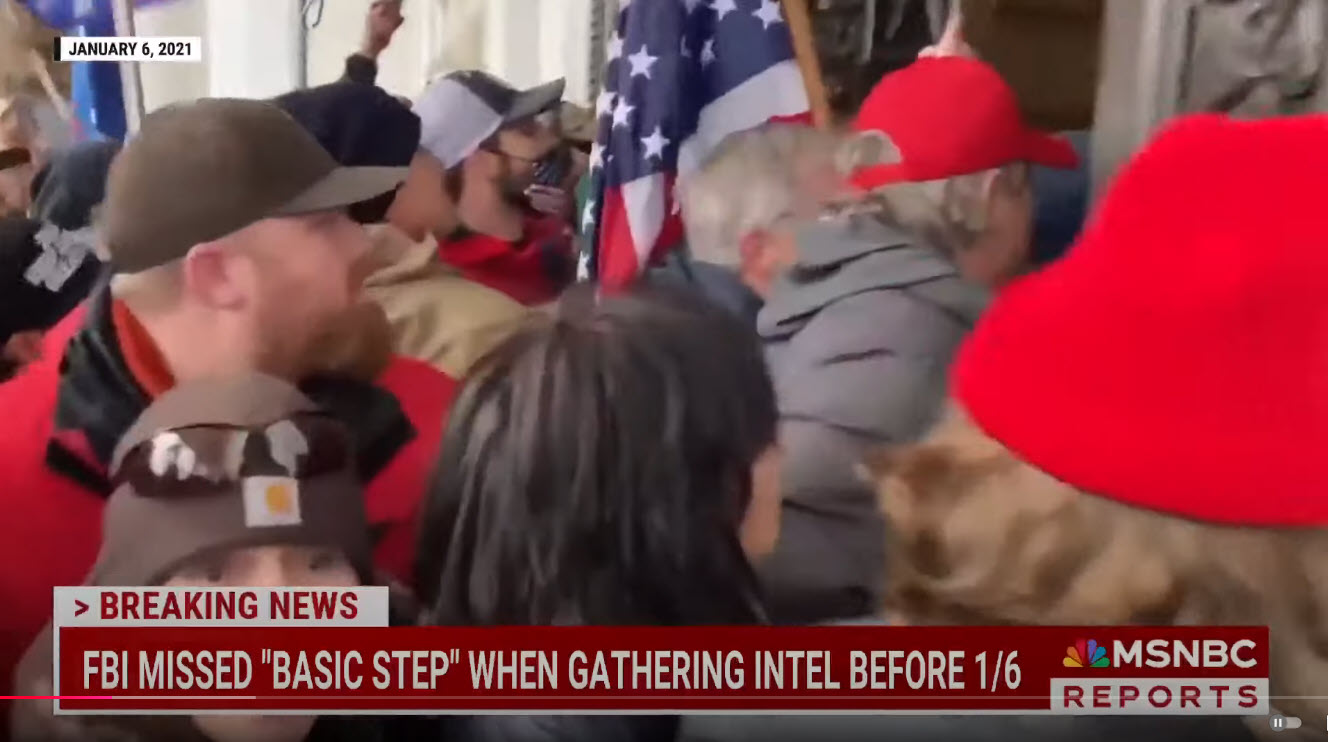
A long-awaited report from the Department of Justice Inspector General sheds light on the FBI’s role during the January 6th Capitol riots, revealing that while there were 26 FBI informants in Washington, D.C., on that day, no undercover agents from the bureau were present at the scene. The findings highlight significant gaps in intelligence handling and decision-making leading up to the violent attack on the U.S. Capitol.
According to the report, only three of the informants, known as confidential human sources (CHSs), were specifically tasked by the FBI to gather information on potential domestic terrorism threats during the events surrounding January 6th. The remaining 23 informants were reportedly in the area for personal reasons or other unrelated purposes. The report emphasizes that their presence was not coordinated or monitored by the FBI.
Mishandled Intelligence
The Inspector General’s report identifies a critical failure in the FBI’s management of pre-riot intelligence. Despite receiving multiple warnings about potential violence, including threats to lawmakers and plans to breach the Capitol, the report concludes that the bureau failed to act decisively on the information. Key pieces of intelligence, such as social media posts and chatter from extremist groups, were either overlooked or inadequately assessed.
This mishandling of intel has reignited debates about the FBI’s preparedness and effectiveness in preventing acts of domestic terrorism. Critics argue that these failures contributed to the unprecedented breach of the Capitol, while others contend that the bureau was stretched thin and overwhelmed by the scale of the threats.
No Undercover FBI Agents
The report explicitly states that there were no undercover FBI agents present during the riot, countering claims made by some groups suggesting that federal agents may have played a role in instigating the violence. This finding, however, is unlikely to quell conspiracy theories that have gained traction in some political circles.
Ryan Reilly, a Justice reporter covering the investigation, notes that the report’s findings could prove divisive, as they challenge both far-right and far-left narratives about the FBI’s role in the events of January 6th. “This report shows a complex picture,” Reilly says, “and it’s not going to satisfy those looking for a simple explanation or scapegoat.”
Broader Implications
The report adds to the growing body of evidence detailing government missteps before and during the Capitol attack. While it absolves the FBI of direct involvement in the riot, it raises serious questions about how federal agencies handle threats of domestic extremism. Lawmakers from both parties have already begun citing the report to push their respective agendas, with Republicans emphasizing the absence of FBI undercover agents and Democrats focusing on the need for improved intelligence capabilities.
The Inspector General’s findings come as hundreds of individuals continue to face charges related to the riot, and as the FBI remains under scrutiny for its handling of domestic terrorism cases.
Next Steps
The Justice Department is expected to review the recommendations outlined in the report to address gaps in intelligence sharing and operational coordination. Meanwhile, the January 6th attack remains a flashpoint in American politics, with the report serving as a reminder of the challenges federal agencies face in combating domestic extremism.

