

As a record number of airline travelers prepare to take to the skies this holiday season, renewed attention is being directed at the United States’ aging air traffic control infrastructure. A recent Government Accountability Office (GAO) report reveals that over 100 air traffic control systems nationwide are outdated and urgently need replacement. The findings come as lawmakers debate how to address the issue and ensure the nation’s air travel system can meet growing demand.
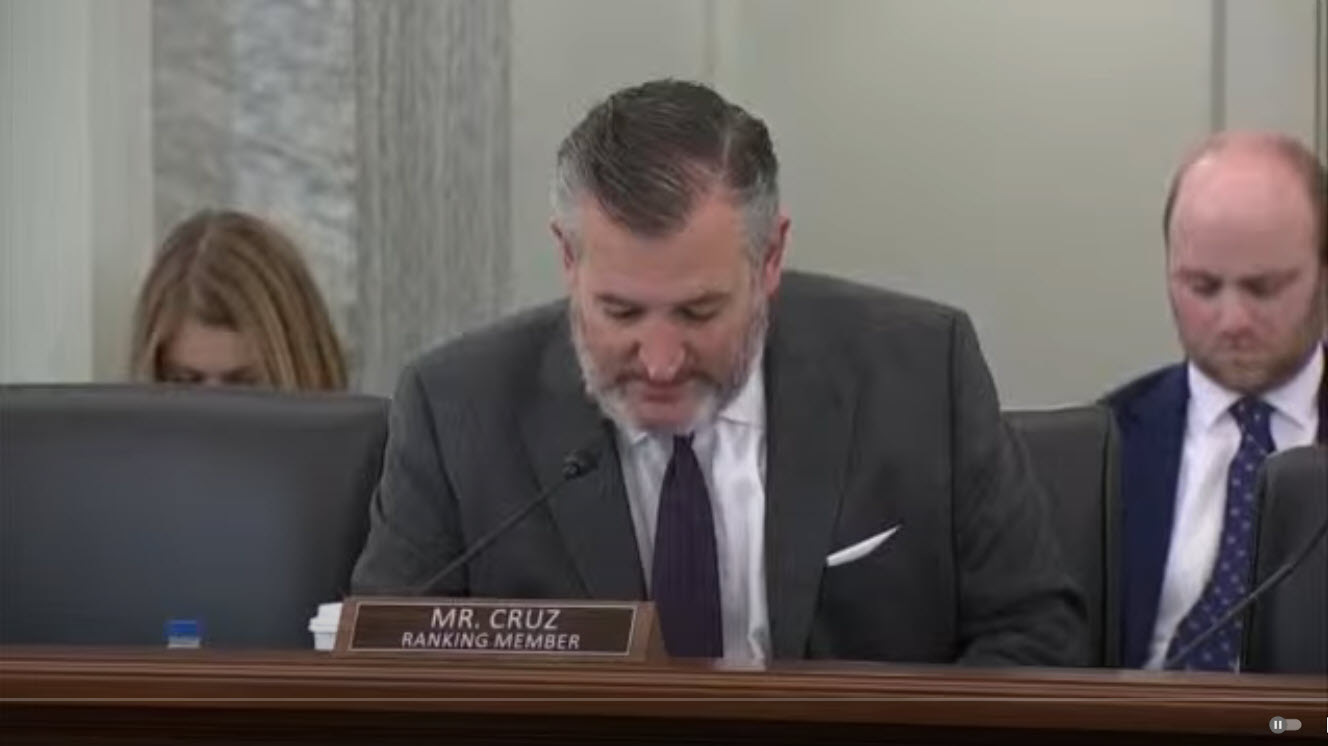
At a Capitol Hill hearing, Senator Ted Cruz of Texas, the incoming chair of the Senate Commerce Committee, highlights the report’s alarming conclusions. Cruz warns that failure to act on the deteriorating systems will lead to increasingly frequent breakdowns, flight disruptions, and heightened risks to passenger safety. He stresses that simply increasing funding without systemic reform will not solve the problem. Instead, Cruz calls for comprehensive changes to improve the efficiency and reliability of air travel.
The GAO report estimates that replacing the 48 most critical systems identified would cost billions of dollars. However, these systems, many of which have been in use for decades, are essential to the Federal Aviation Administration’s (FAA) ability to manage U.S. airspace. According to the report, the outdated technology contributes to flight delays, higher operational costs, and unnecessary carbon emissions, as planes often spend longer in holding patterns due to inefficient routing.
Cruz argues that modernizing these systems is a national priority, especially as air travel demand surges. The holiday season is expected to set new records for passenger volumes, with airports bracing for a flood of travelers eager to reunite with family and friends. These numbers amplify concerns that the current system cannot withstand increased strain without significant overhauls.
The debate over how to fund the modernization efforts is already shaping up to be contentious. Some lawmakers advocate for increased federal investment in the FAA, while others, like Cruz, emphasize the need for structural reforms to ensure that resources are used effectively. Privatization of some air traffic control functions has also been floated as a potential solution, though it remains a divisive topic.
The aging infrastructure has already made headlines this year due to system failures and near misses. Earlier in the year, a temporary shutdown of the FAA’s NOTAM (Notice to Air Missions) system caused widespread delays, grounding thousands of flights and disrupting travel nationwide. These incidents have underscored the urgent need for modernization and the potential consequences of inaction.
Airlines and pilots’ unions are joining the call for upgrades, pointing to the increasing complexity of U.S. airspace and the need for technology that can handle growing traffic while improving safety and efficiency. Industry leaders argue that failing to act will not only inconvenience travelers but also undermine the U.S. economy, which relies heavily on air transport for goods and services.
The FAA, for its part, acknowledges the challenges posed by outdated systems and has outlined plans for incremental updates, though critics argue that these efforts fall short of what is needed. The agency emphasizes that safety remains its top priority and insists that the current system, while strained, continues to operate securely.
As the holiday travel season kicks off, the spotlight on the FAA and its aging infrastructure is unlikely to fade. With millions of travelers depending on the system to get them to their destinations safely and on time, the pressure is mounting on lawmakers to take swift and decisive action.

