

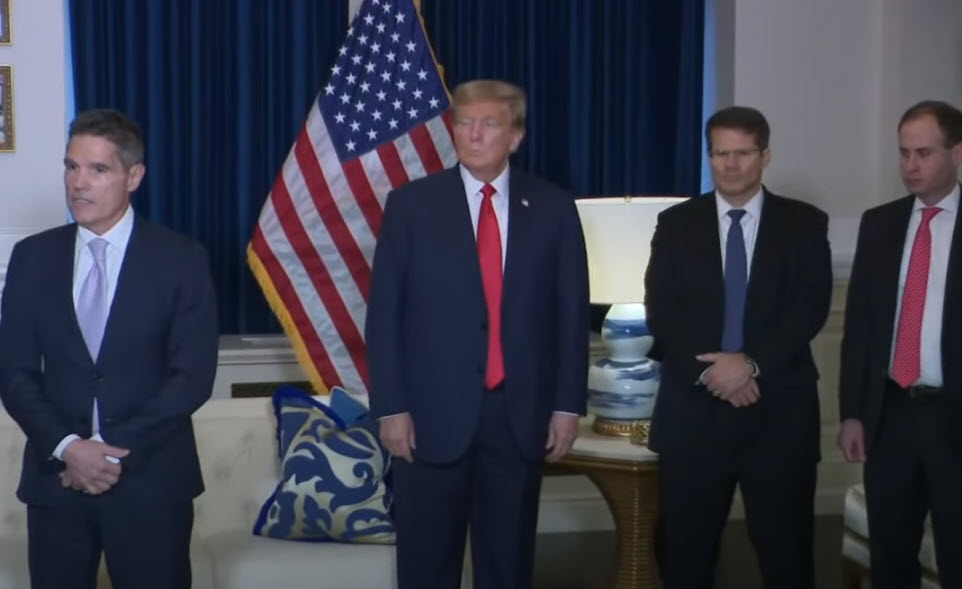
In a defiant display, former President Donald Trump doubled down on his claim of absolute presidential immunity from prosecution after a federal appeals court heard arguments over charges related to his alleged efforts to overturn the 2020 election.
Speaking to reporters, Trump warned against a “Pandora’s box” of politically motivated prosecutions if the court allows the case to proceed. He claimed it would be a “tremendous threat to democracy” and accused President Biden of using the Justice Department as a tool to prevent his potential return to office.
At the heart of the case lies the question of whether Trump’s actions in contesting the election results fall within the scope of his official presidential duties or constitute a criminal scheme. His lawyers argued the former, maintaining that any attempts to challenge the election outcome stemmed from his good-faith belief in widespread voter fraud, a claim repeatedly rejected by courts and fact-checkers.
However, the appeals court panel, led by Judge Florence Pan, posed tough questions, pushing Trump’s lawyer, D. John Sauer, to confront the potential implications of absolute immunity. Judge Pan queried whether a president’s actions like accepting a bribe or ordering the assassination of a political rival would still be shielded from prosecution under Trump’s interpretation. Sauer maintained that impeachment and conviction would be the necessary prerequisites for legal action in such extreme scenarios.
The court’s decision on Trump’s immunity claim will have significant legal and political ramifications. A ruling in his favor could set a precedent for future presidents, while a rejection could open the door for potential criminal charges against Trump. Regardless of the outcome, the case is likely to remain a point of contention, further fueling the already polarized political landscape.

