

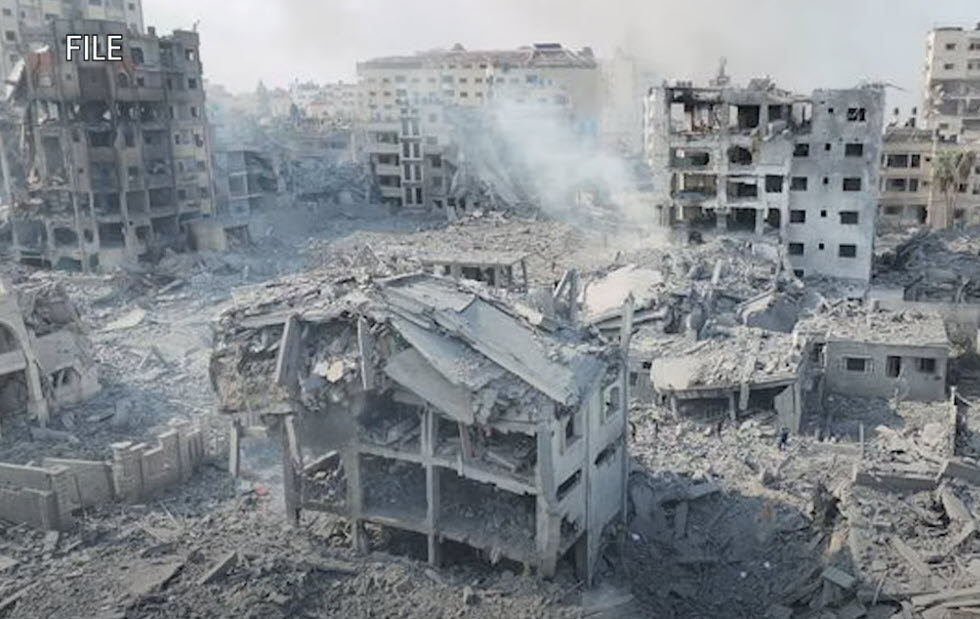
The Israel-Hamas conflict persists as it approaches the four-month mark, marked by intensified hostilities, escalating casualties, and complex negotiations. Recent developments indicate the dire situation faced by both Israelis and Palestinians caught in the crossfire.
Israeli officials reported yesterday as the deadliest day for their military in Gaza, with a tragic toll of two dozen soldiers killed. The ongoing conflict has taken a toll on the Israeli Defense Forces (IDF), underscoring the challenges faced in the densely populated Gaza Strip. The daily battles continue to exact a heavy human cost, amplifying the urgency for a resolution to the protracted conflict.
In a bid to bring a temporary halt to the hostilities, Israel is proposing a two-month pause in fighting. The key condition for this proposed ceasefire is the release of remaining hostages held by Hamas. This marks a significant development in the negotiations, as both sides grapple with finding common ground amid longstanding animosities.
The exact terms and intricacies of the negotiations remain confidential, adding an element of uncertainty to the potential breakthrough. The families of the hostages anxiously await news of their loved ones, and the international community closely watches the unfolding diplomatic efforts.
While the geopolitical chess game continues, the people of Gaza are facing a dire humanitarian crisis. Palestinian health officials report that over 25,400 people have lost their lives since the conflict began, and many more are grappling with injuries, displacement, and trauma. The toll on civilians, including children, is a stark reminder of the human cost of prolonged conflict.
The United Nations, recognizing the gravity of the situation, has issued warnings of a looming threat of “catastrophic hunger” for over half a million people in Gaza. The combination of ongoing hostilities, damaged infrastructure, and restricted access to essential resources exacerbates the already challenging conditions faced by the population.
The international community, including the United Nations and various humanitarian organizations, is intensifying efforts to address the crisis. Calls for an immediate ceasefire and diplomatic solutions are growing louder as concerns over the humanitarian impact mount.
Efforts to mediate and broker a lasting ceasefire involve a delicate balancing act, navigating through the historical, religious, and political complexities that underpin the Israel-Hamas conflict. Regional and global leaders are urged to play a proactive role in facilitating dialogue and finding a sustainable resolution that ensures the safety and well-being of civilians on both sides.
As the conflict enters a critical phase, the world watches with a mixture of hope and apprehension, yearning for a breakthrough that can bring an end to the suffering and pave the way for lasting peace in the region.

