

California’s journey towards an emissions-free future just gained a powerful ally: offshore wind. New recommendations unveiled by the California Energy Commission (CEC) chart a course for integrating this promising renewable energy source into the state’s ambitious clean energy plan.
Meeting the mandate of Assembly Bill 525, the draft plan paves the way for harnessing the wind’s might off the California coast. This critical step aligns with the state’s unwavering commitment to generating 100% clean electricity by 2045.
Far from simply flipping a switch on offshore wind farms, the CEC delves into the intricate details of building a sustainable and equitable wind power future. The draft plan meticulously examines:
- Marine Resources: Protecting the ocean’s delicate ecosystem through careful monitoring and responsible siting of wind farms.
- Sea-Space Planning: Creating a harmonious coexistence between offshore wind energy and other users of the ocean, like maritime traffic and fishing fleets.
- Tribal and Fishery Relations: Ensuring partnerships with indigenous communities and safeguarding the livelihoods of fishermen.
- Permitting Streamlining: Simplifying the permitting process for wind projects without compromising environmental and community concerns.
- Workforce Development: Building a skilled workforce equipped to harness the power of the California wind.
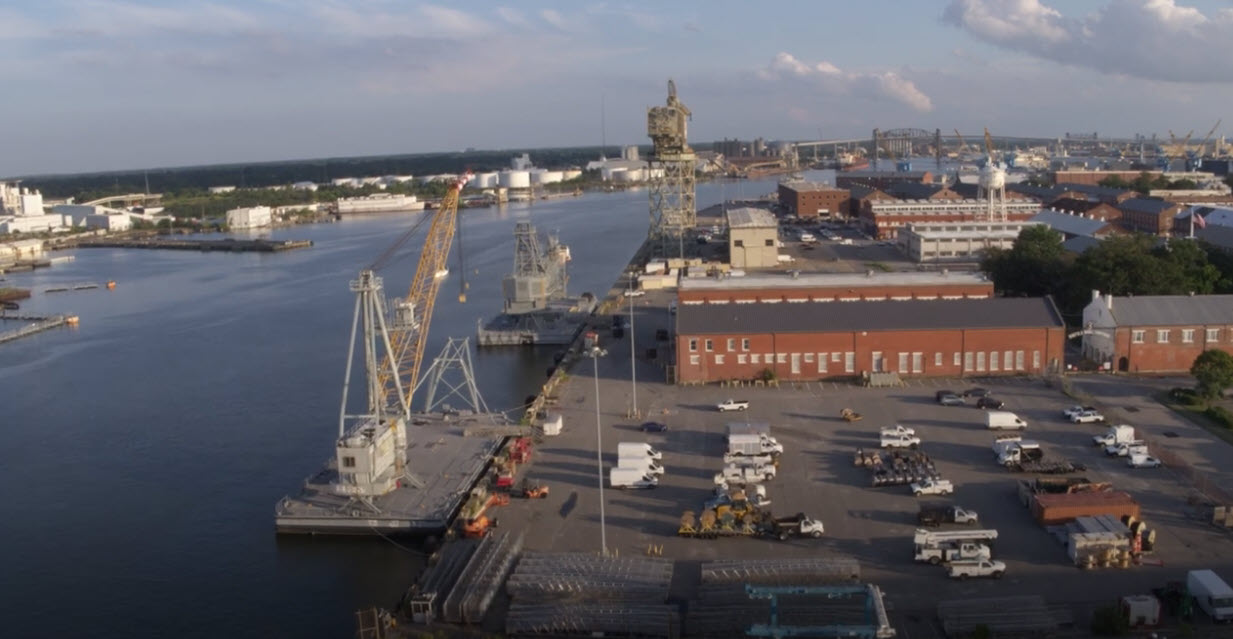
- Port Development: Upgrading infrastructure to handle the unique logistics of offshore wind turbine assembly and installation.
- Transmission: Connecting the offshore wind bounty to the electricity grid, ensuring clean energy reaches every corner of the state.
This comprehensive roadmap doesn’t just unlock the clean energy potential of offshore wind; it also fosters a holistic approach to its development. By prioritizing environmental protection, community engagement, and infrastructure upgrades, California aims to set a high standard for responsible and equitable offshore wind development.
While challenges lie ahead, California’s commitment to offshore wind is clear. With careful planning and stakeholder collaboration, this nascent industry can power the state’s clean energy future, creating jobs, revitalizing coastal communities, and leaving a legacy of responsible stewardship for generations to come.

