

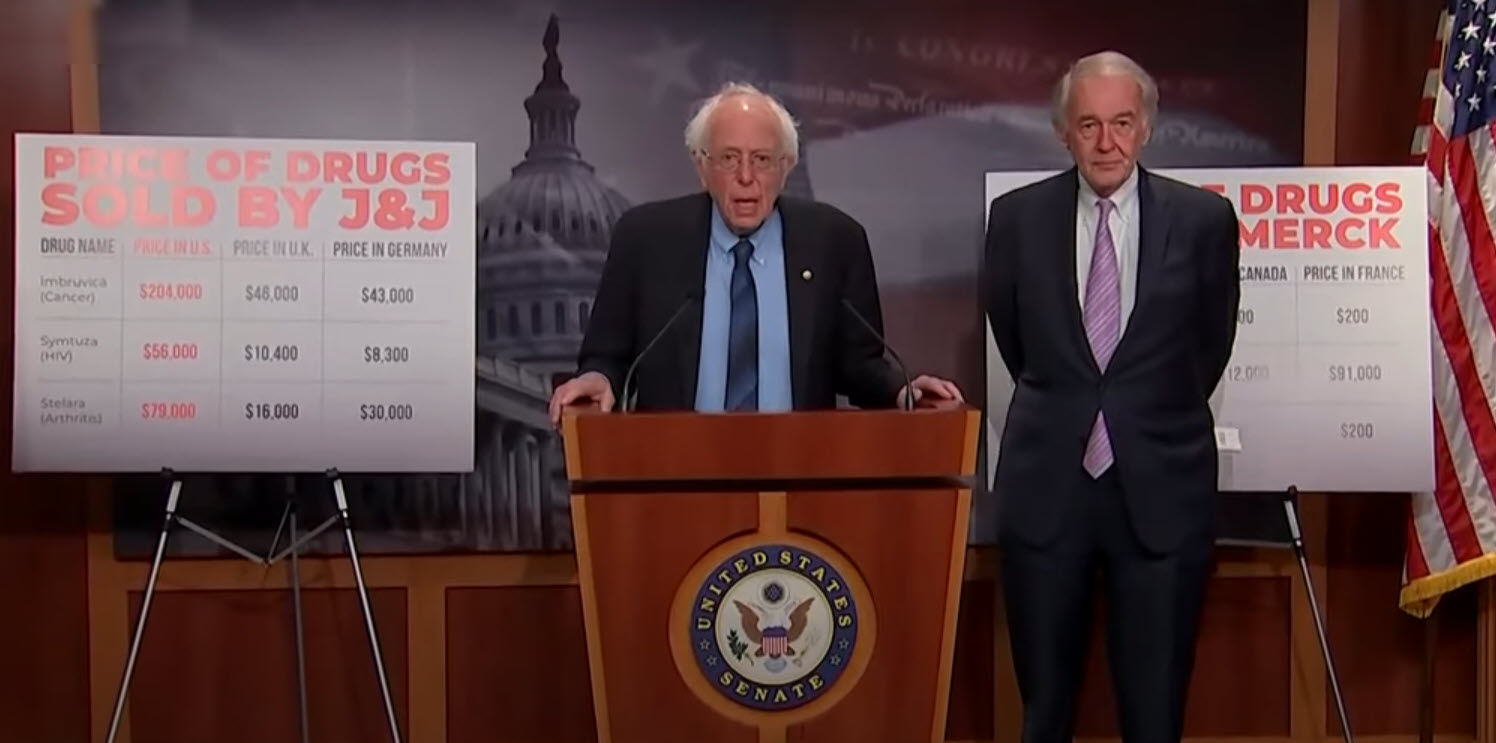
In a bold move aimed at addressing the soaring costs of prescription drugs in the United States, Senator Bernie Sanders, chair of the Senate Committee on Health, Education, Labor, and Pensions, has announced plans to subpoena the CEOs of pharmaceutical giants Johnson & Johnson and Merck. The decision comes as part of an effort by Democratic lawmakers to hold pharmaceutical companies accountable for the exorbitant prices of medications.
Sanders, a vocal advocate for healthcare reform and affordable prescription drugs, expressed frustration with the reluctance of drug company executives to testify before Congress voluntarily. During a press briefing, he emphasized the need for CEOs to provide explanations to the American public regarding the substantial price disparities for medications between the U.S. and other countries.
The targeted CEOs, representing Johnson & Johnson and Merck, are at the helm of companies responsible for manufacturing some of the most expensive drugs in the U.S. This includes Merck’s diabetes medication Januvia and Johnson & Johnson’s blood cancer drug Imbruvica. Both medications are known for their high costs, contributing to the overall challenge of accessibility to essential medicines.
The CEOs had previously declined an invitation from the Senate Committee to appear before Congress, prompting Sanders to take decisive action. The planned vote on Wednesday will determine whether the committee proceeds with issuing subpoenas, compelling the pharmaceutical executives to testify and address questions regarding their pricing strategies.
The issue of skyrocketing drug prices has long been a focal point in the healthcare reform debate. Sanders’ move to subpoena the CEOs reflects a broader effort to bring transparency to the pharmaceutical industry and explore potential solutions to make essential medications more affordable for Americans.
As the Senate Committee on Health, Education, Labor, and Pensions prepares to vote on the subpoenas, the outcome will likely impact the ongoing discourse around healthcare reform and the role of pharmaceutical companies in shaping the accessibility and affordability of prescription drugs.

