

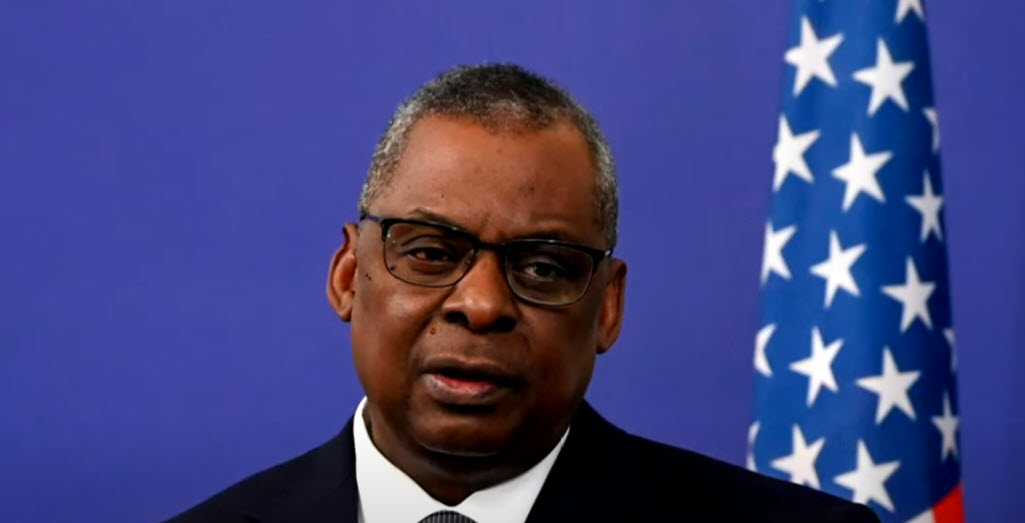
In a candid admission, Defense Secretary Lloyd Austin addresses the controversy surrounding the handling of his prostate cancer treatment, acknowledging a lapse in communication. In his first news conference since returning to the Pentagon, Austin offered insights into why he chose to keep his hospitalization private, revealing the challenges he faced in balancing his health concerns with a demanding workload.
Austin revealed to reporters that he opted not to inform President Biden about his hospitalization due to the overwhelming responsibilities on his agenda. The Defense Secretary expressed the sentiment that he has “a lot of things on his plate,” emphasizing the multitude of tasks associated with his role. He further disclosed that the news of his prostate cancer diagnosis had a profound impact on him, and his initial instinct was to handle it privately.
The unannounced hospitalization, which occurred last month, sparked sharp criticism as it went undisclosed to President Biden and other senior administration officials for several days. Austin’s acknowledgment of mishandling communication sheds light on the complexities faced by high-ranking officials in navigating personal health matters within the context of their public responsibilities.
The news conference marks a pivotal moment in the unfolding narrative, providing an opportunity for transparency and accountability. Austin’s decision to openly discuss the reasons behind his choice to keep the hospitalization private offers context to the public, potentially mitigating some of the criticisms he has faced.
As the Defense Secretary addresses the fallout from his handling of the situation, questions linger about the broader implications for communication protocols within the administration and the delicate balance officials must strike between personal privacy and public accountability.

