

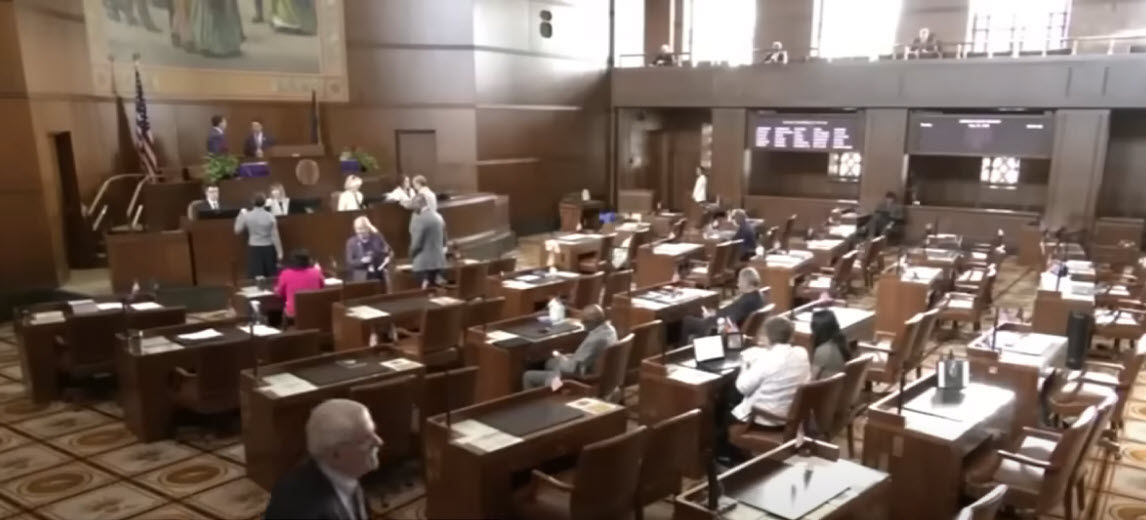
In a landmark decision, the Oregon Supreme Court has ruled that Senate Republicans who missed more than ten days during the 2023 legislative session are ineligible to run for re-election. The ruling, which comes after nine Oregon Senate Republicans staged a 42-day walkout to block a bill safeguarding abortion rights and gender-affirming healthcare, has significant implications for the upcoming elections.
The walkout by Senate Republicans, aimed at halting the passage of the contentious bill, created a legislative deadlock and drew widespread attention to Oregon’s political landscape. However, the prolonged absence from legislative duties has now led to a legal determination that could reshape the composition of the state’s Senate.
The Oregon Supreme Court’s decision aligns with the interpretation of Ballot Measure 113 by the Oregon Secretary of State, who asserted that the senators’ extended absence violated the measure’s provisions. Ballot Measure 113, which sets guidelines for legislative attendance and conduct, served as the legal basis for the court’s ruling.
The ruling effectively disqualifies the Senate Republicans involved in the walkout from seeking re-election, marking a significant development in Oregon’s political scene. The decision has sparked debate and controversy, with opinions divided on the legality and fairness of the court’s interpretation of the measure.
For the affected Senate Republicans, the ruling represents a setback in their political careers, limiting their ability to seek another term in office. Meanwhile, the ruling underscores the importance of legislative attendance and adherence to constitutional and statutory obligations for elected officials.
As Oregon prepares for upcoming elections, the fallout from the Senate Republicans’ walkout and the subsequent court ruling will undoubtedly influence voter sentiments and political dynamics. The decision sets a precedent for future legislative actions and underscores the judiciary’s role in upholding the integrity of the electoral process.

