

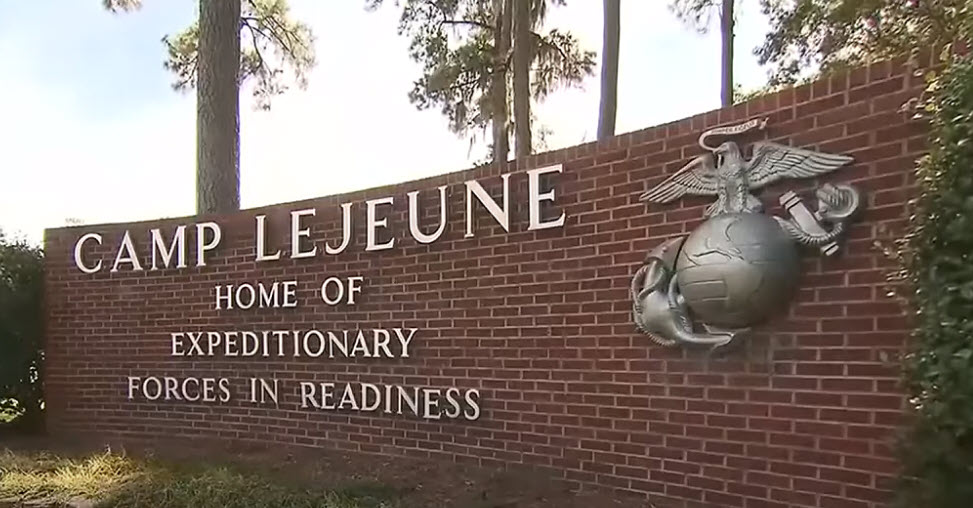
A recent comprehensive study has shed light on concerning health outcomes for military personnel and civilians who were stationed at Camp Lejeune in the 1970s and 80s. The study indicates a higher likelihood of being diagnosed with specific cancers among individuals who lived or worked at the military base during this period, compared to those stationed at a similar base in California.
Camp Lejeune, a prominent Marine Corps base located in North Carolina, has been a focal point of health-related investigations due to historical water contamination issues. The study’s findings highlight a significant association between exposure to contaminated water at Camp Lejeune and an increased risk of certain cancers.
Researchers compared health outcomes of individuals who were at Camp Lejeune during the specified timeframe with those stationed at Camp Pendleton in California. The results indicate a higher incidence of cancer diagnoses among Camp Lejeune residents, raising concerns about the potential long-term health effects linked to water contamination.
While the exact contaminants responsible for the increased cancer risk are not specified in the study’s initial reports, investigations into the historical water supply at Camp Lejeune have identified several hazardous substances, including volatile organic compounds and industrial chemicals.
The implications of this study extend beyond the immediate health concerns, as affected individuals may face challenges in accessing healthcare and obtaining compensation for health-related issues. Advocacy groups and lawmakers are likely to use these findings to push for further investigations, policy changes, and support measures for those impacted by the Camp Lejeune water contamination.
As the study prompts a closer examination of the health risks associated with military installations, it underscores the importance of environmental safety protocols and accountability for past incidents of water contamination on military bases.

