

Senate Majority Leader Chuck Schumer has announced his intention to bring a long-awaited bipartisan border deal to the Senate floor this week. The comprehensive $118 billion bill aims to address the challenges at the U.S.-Mexico border while providing essential aid to Ukraine and Israel, along with other foreign policy priorities.
The proposed legislation allocates roughly $20 billion to enhance border security, emphasizing measures to curb illegal immigration and streamline asylum processes. One significant provision requires a mandatory 90-day hold period for asylum seekers to complete interviews.
Schumer acknowledges the significance of passing this bipartisan border deal, anticipating a real test in the Senate. However, challenges are expected as House Speaker Mike Johnson expresses opposition, potentially hindering the bill’s passage in the Senate.
Divergent views between Democrats and Republicans on border plans intensify the debate. Democrats, including Texas Congressman Greg Casar, advocate for maintaining open asylum pathways and oppose changes that would close the border to asylum-seekers. In contrast, Republicans emphasize ending catch-and-release policies and seek substantial immigration reforms.
The GOP’s opposition to the bipartisan border deal is apparent, with House Speaker Mike Johnson dismissing the legislation as insufficient to address the ongoing “border catastrophe.” Senator Mike Lee goes further, describing the bill as a “betrayal” and indicating potential Republican resistance in the Senate. The proposed legislation involves rewriting key parts of immigration law, impacting the eligibility for asylum and altering the claims processing procedure.
Former President Donald Trump strongly criticizes the bipartisan border deal, branding it a “Death Wish” for Republicans. He contends that the bill only grants shutdown authority to the president after a certain number of encounters at the border, asserting that such power already exists. Trump’s disapproval underscores the contentious nature of the proposed legislation within the Republican Party.
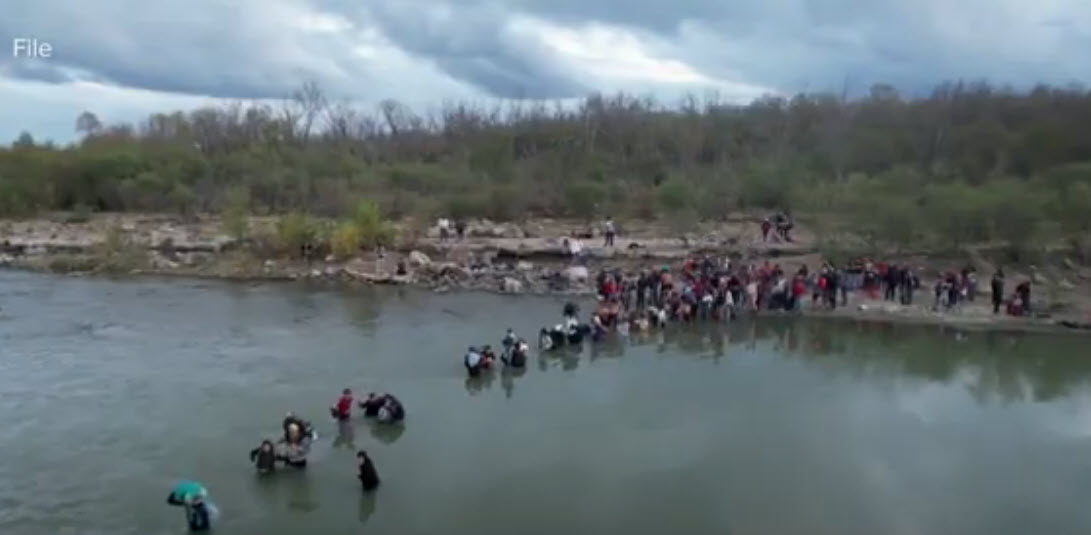
Meanwhile, Texas, under Governor Greg Abbott’s leadership, has taken steps to secure its border areas. With control over a river-front park, Texas has reportedly seen a decline in illegal immigration, from thousands to just three people a day. Governor Abbott emphasizes the state’s authority in handling border security but also calls for presidential involvement in this critical issue.
As the bipartisan border deal heads to the Senate floor, its fate remains uncertain, with divisions persisting over immigration policies and border security measures.

