

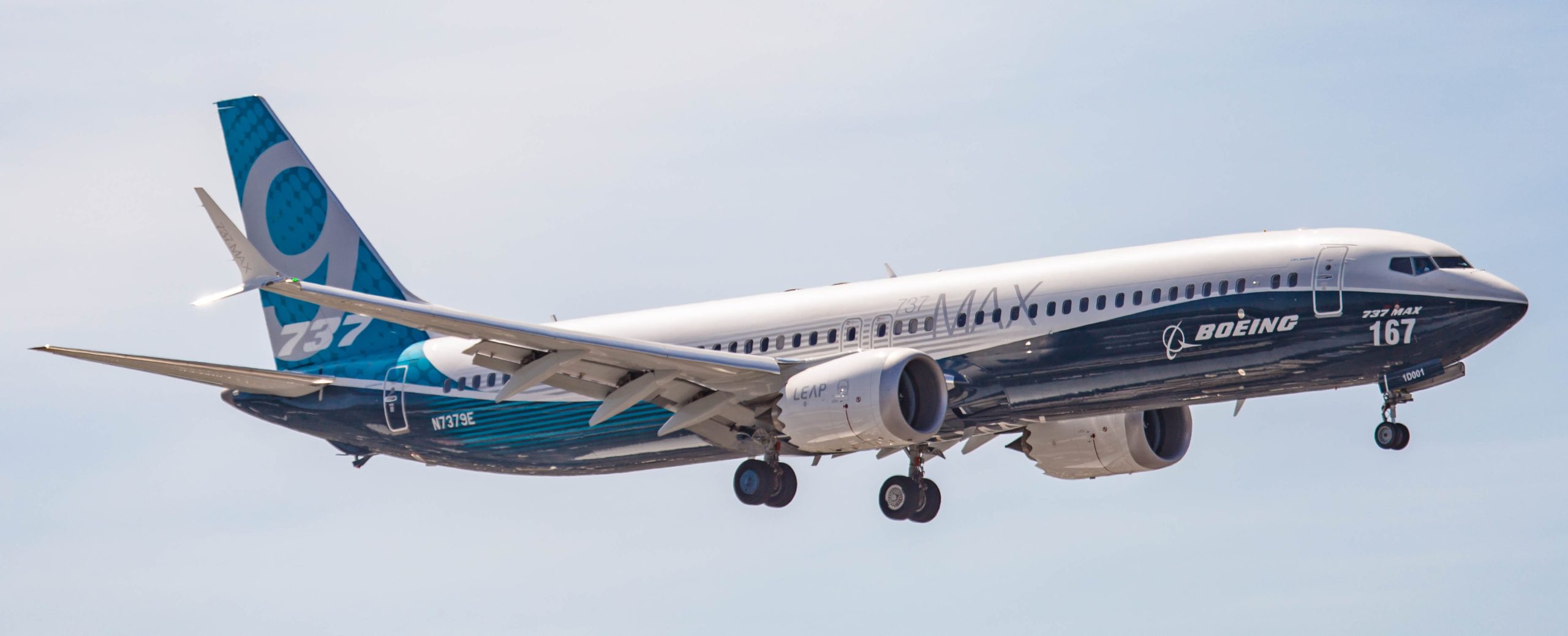
The National Transportation Safety Board (NTSB) has released its preliminary report on the door plug blowout incident involving a Boeing 737 MAX 9 plane, revealing that the occurrence was linked to the absence of four crucial bolts. The incident took place during an Alaska Airlines flight on January 5th, prompting a comprehensive investigation into the factors contributing to the door plug failure.
According to the NTSB report published on Tuesday, the door plug, a component crucial for maintaining the integrity of the aircraft’s structure, was found to be missing four key bolts. Investigators highlighted that the door plug had been previously removed for repair work on rivets damaged during the production process. The report provides crucial insights into the initial findings of the ongoing investigation, shedding light on potential vulnerabilities in the maintenance and manufacturing procedures.
The FAA had grounded nearly 200 Boeing 737 MAX 9 planes in the aftermath of the incident, prioritizing safety concerns. The decision to temporarily halt operations of these aircraft was a precautionary measure to ensure the integrity of the fleet amid uncertainties surrounding the door plug blowout. Following comprehensive inspections and safety assessments, the FAA lifted the grounding order, permitting the return of the Boeing jets to service late last month.
During the extensive inspections conducted by airlines, both United and Alaska Airlines reported instances of finding loose parts on multiple Boeing 737 MAX 9 planes that had undergone grounding. These findings underscore the broader implications of the incident, prompting a collective effort within the aviation industry to address potential maintenance issues and uphold stringent safety standards.
As the investigation continues, the NTSB’s preliminary report serves as a crucial step in understanding the circumstances surrounding the door plug blowout. The aviation community, including Boeing, airlines, and regulatory authorities, will closely analyze the findings to implement necessary corrective measures and enhance safety protocols to prevent similar incidents in the future.

