

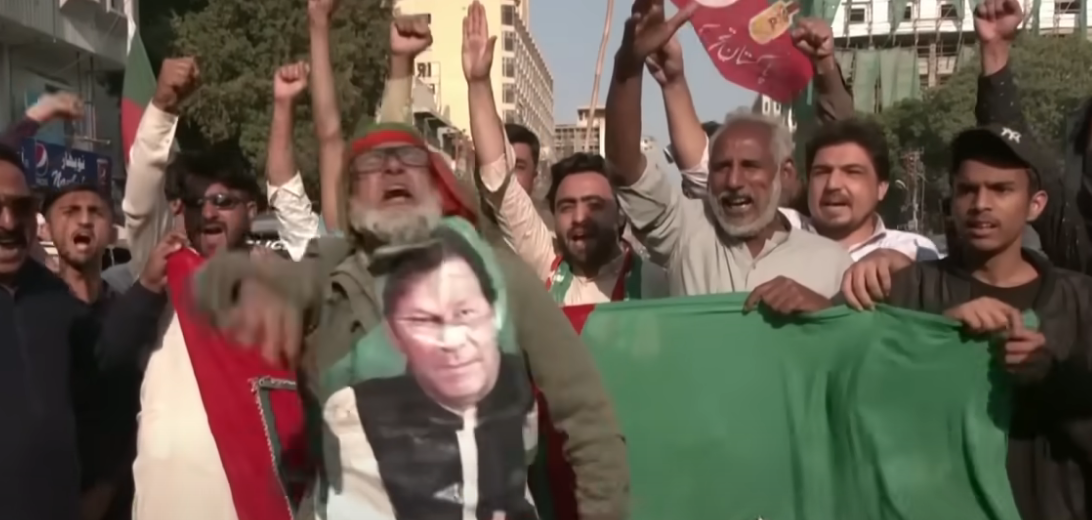
Following last week’s elections in Pakistan, negotiations to establish a coalition government persist, marking nearly a week of political discussions and maneuvering. The process is under increased scrutiny as the U.S. calls for an independent investigation into allegations of electoral irregularities.
With the election results determining a fragmented political landscape, political parties in Pakistan are engaged in protracted negotiations to form a coalition government. The extended talks underscore the challenges of reaching a consensus among the diverse array of parties that secured seats in the recent polls.
Amidst the domestic political developments, the United States has raised concerns about the electoral process in Pakistan. U.S. officials have called for an independent investigation into alleged irregularities, emphasizing the importance of ensuring a fair and transparent electoral system. The call reflects the international community’s interest in the democratic stability of the region.
The aftermath of the elections has revealed a complex political landscape with no single party securing a decisive majority. This situation necessitates negotiations between various political entities to form a coalition government capable of providing stable governance. The ongoing talks involve discussions on policy priorities, ministerial portfolios, and the distribution of power.
The negotiation process is not without its challenges, as parties with differing ideologies and policy stances seek common ground. Compromises on key issues are likely to be central to the formation of a coalition government that can effectively address the nation’s pressing concerns.
The U.S. call for an independent electoral investigation places international scrutiny on Pakistan’s democratic processes. The outcome of such an investigation, if conducted, could have implications for diplomatic relations and international perceptions of the country’s commitment to fair and transparent elections.
The protracted nature of coalition negotiations highlights the significance of achieving political stability in Pakistan. A stable government is essential for addressing economic challenges, implementing reforms, and navigating the country through regional and global geopolitical complexities.
As negotiations continue, the people of Pakistan await a resolution that will determine the composition of the next government. The outcome will shape the country’s trajectory and influence its standing on the international stage.
