

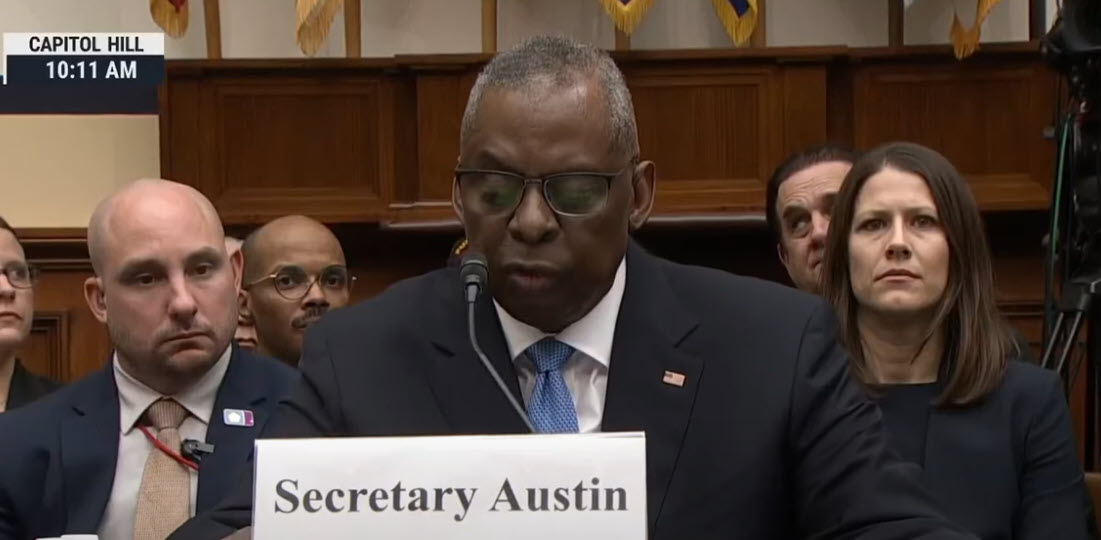
Defense Secretary Lloyd Austin recently testified before the House Armed Services Committee, apologizing for the controversy surrounding his hospital stay last month. The incident, involving complications from prostate cancer surgery, has sparked criticism, with calls for his resignation from Republican quarters. The key issue revolved around the delayed notification to Austin’s own deputy and the White House, leading to questions about transparency and leadership within the Department of Defense.
In January, Defense Secretary Lloyd Austin underwent surgery for prostate cancer, resulting in unforeseen complications. The aftermath of this medical event, however, brought to light a significant lapse in communication protocols, triggering a wave of criticism and demands for accountability.
During his testimony before the House Armed Services Committee, Austin acknowledged the shortcomings in handling his hospital stay. He expressed regret for not promptly reporting his condition to key figures within the administration. Austin emphasized that, despite the delay in communication, there were no lapses in authority or control over the Department of Defense during his absence.
The heart of the controversy lies in the revelation that Austin’s deputy and the White House were not informed of his hospitalization for three days. This delay sparked concerns about transparency, accountability, and the potential impact on national security during the Defense Secretary’s incapacitation. Republicans, in response to the perceived mishandling of the situation, have called for Austin’s resignation.
Acknowledging the gravity of the situation, Austin stated that he should have promptly reported his condition to ensure a smooth transition of responsibilities. House Armed Services Committee chairman Mike Rogers emphasized that the American people have the right to timely and accurate information about the health status of top government officials.
The delayed notification has intensified calls for Austin’s resignation among Republican lawmakers. They argue that the incident raises questions about the Defense Secretary’s ability to lead and maintain effective communication within the Department of Defense, crucial for addressing national security concerns.
The controversy surrounding Defense Secretary Lloyd Austin’s handling of his hospital stay underscores the importance of transparency and communication within the highest echelons of government. As the fallout continues, the incident raises broader questions about the resilience of leadership structures in times of crisis.

