

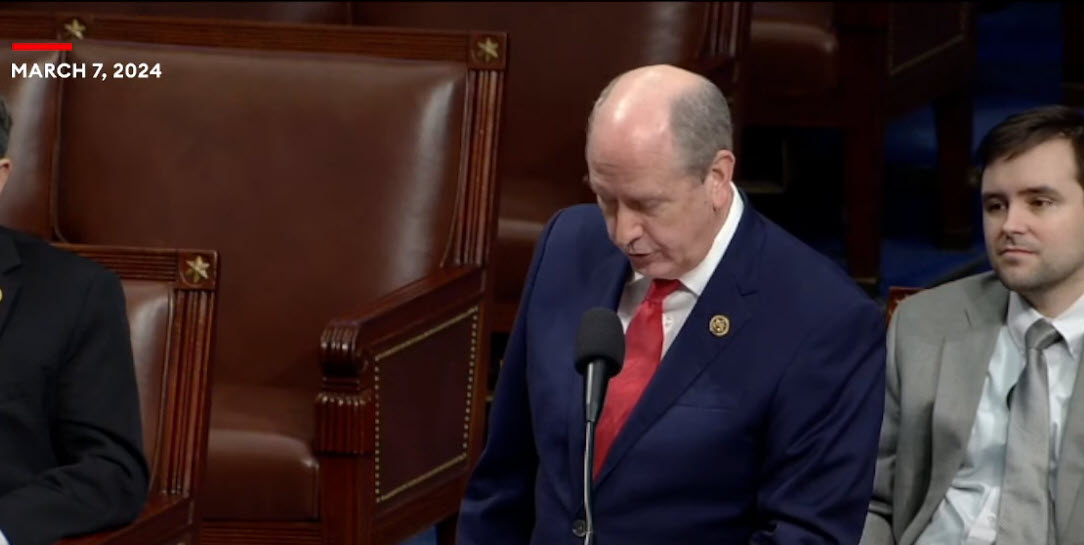
In a decisive move, the U.S. House of Representatives has passed the Laken Riley Act, a legislative initiative demanding stricter enforcement by Immigration and Customs Enforcement (ICE) in detaining illegal immigrants arrested for theft and similar offenses. Named after the late Georgia nursing student Laken Riley, whose tragic murder on the University of Georgia campus shocked the nation, the bill aims to address gaps in the detention process that allowed the alleged perpetrator, Jose Antonio Ibarra, to evade immigration authorities.
The Laken Riley Act finds its roots in the heartbreaking case of Laken Riley, a promising nursing student who met a tragic end on the University of Georgia campus. Riley’s alleged murderer, Jose Antonio Ibarra, is an illegal immigrant from Venezuela. Ibarra had a prior arrest in New York, but due to existing policies, he was not detained by ICE when New York officials released him. This legislative response seeks to rectify such shortcomings in the immigration enforcement system.
The core provision of the Laken Riley Act compels ICE to detain illegal immigrants who have been arrested for theft and similar offenses, aiming to prevent situations where individuals with criminal backgrounds slip through the cracks of the immigration enforcement process. The bill underscores the need for a more robust approach to ensure the safety of communities and address the concerns raised by incidents like Laken Riley’s tragic murder.
Georgia Republican Congressman Mike Collins, a vocal advocate for stricter immigration policies, emphasized the urgency of addressing what he referred to as an “illegal alien crime wave.” Riley’s murder, in Collins’s view, serves as a poignant reminder of the consequences of inadequate immigration enforcement. Collins called upon the Senate to swiftly take up the Laken Riley Act, portraying it as a crucial step toward enhancing public safety.
With the House’s passage of the Laken Riley Act, attention now turns to the Senate, where lawmakers will deliberate on the proposed legislation. The act’s fate hinges on bipartisan support and a shared commitment to fortifying immigration policies to better protect communities from potential threats posed by individuals with criminal backgrounds.
The Laken Riley Act’s approval by the House marks a significant development in the ongoing debate over immigration enforcement. As the legislative process continues, the nation anticipates further discussions on how to strike a balance between compassionate immigration policies and safeguarding public safety.

