

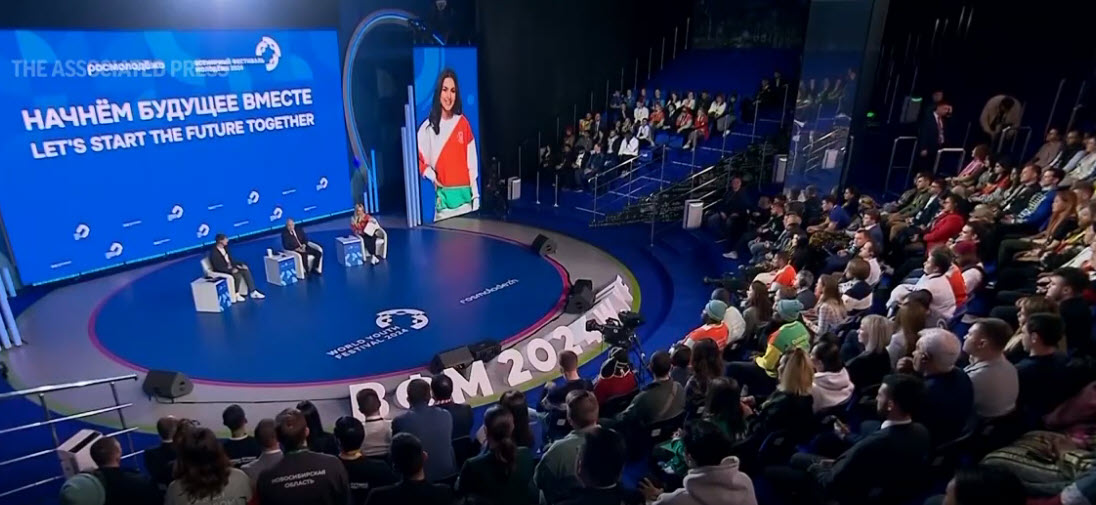
Russian President Vladimir Putin has claimed that Russia played a significant role in ensuring Belgium’s independence. However, the statement lacks any supporting evidence or details regarding the specific actions or contributions made by Russia during Belgium’s struggle for independence.
The Russian president made these remarks during a recent public appearance, leaving many observers puzzled and prompting questions about the veracity of his claims. Belgium, historically known for its complex political history, gained independence from the Netherlands in 1830 after the Belgian Revolution.
Putin’s assertion, lacking in historical context or evidence, has raised eyebrows among historians, diplomats, and political analysts. The absence of specific details about Russia’s alleged role in Belgium’s fight for independence has led to skepticism and calls for clarification from both domestic and international communities.
Belgium, a country with a rich and intricate history, achieved independence through a series of political and revolutionary events. The 1830 Belgian Revolution, marked by widespread protests and clashes with Dutch forces, ultimately resulted in the establishment of the Kingdom of Belgium.
The Kremlin’s statement has sparked diplomatic discussions and debates about historical accuracy. Experts emphasize the importance of concrete evidence and historical records to support such claims, especially when they concern pivotal moments in a nation’s history.
As Russia’s role in Belgium’s independence lacks substantiation, the international community awaits further clarification or evidence from President Putin. The unverified nature of these claims adds a layer of complexity to diplomatic relations, raising questions about the motivations behind such assertions.

