

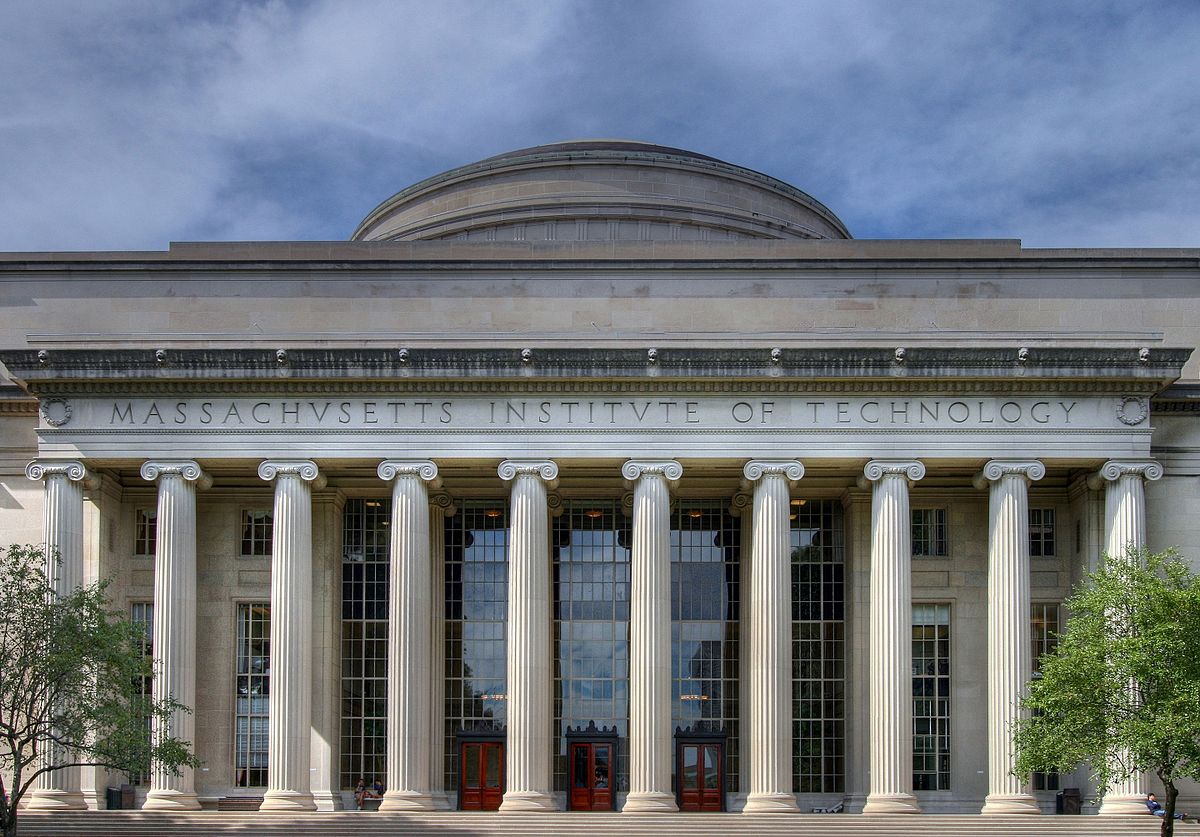
In a move demonstrating heightened concern over issues of antisemitism, Congress is calling on the Massachusetts Institute of Technology (MIT) to provide detailed documentation on the measures in place to protect its Jewish students. The request, outlined in a letter from North Carolina Republican Virginia Foxx, sets a deadline of March 22nd for MIT to furnish the specified records.
Foxx, in her letter to MIT, expressed “grave concerns” regarding the institution’s response to antisemitism within its academic community. The Congresswoman underscored the urgency of addressing these concerns, emphasizing the need for transparency and accountability in MIT’s efforts to safeguard Jewish students from discrimination.
Foxx did not mince words, accusing MIT of “hypocrisy” and raising questions about the consistent application of rules and policies. The Congresswoman asserted that selective enforcement may be contributing to an environment where antisemitic incidents are not adequately addressed.
The letter from Congress sets a clear deadline, requiring MIT to submit relevant documents and information by March 22nd. This timeline reflects the urgency with which lawmakers expect MIT to respond to the inquiry and provide a comprehensive overview of its strategies, protocols, and actions taken against antisemitism.
The congressional request comes amid a broader national focus on antisemitism on college campuses. Institutions of higher education are increasingly under scrutiny for their handling of such incidents, and MIT’s response will likely be closely examined as part of this larger conversation.
The call for transparency from Congress emphasizes the importance of educational institutions fostering environments free from discrimination. As antisemitic incidents persist as a concern on campuses, the role of universities in proactively addressing and preventing such occurrences is a matter of national significance.
MIT’s response to this congressional inquiry will likely shape future discussions and actions related to combating antisemitism in academic settings. The information provided by the institution will be closely scrutinized to assess the effectiveness of existing measures and to identify potential areas for improvement.
The congressional request for MIT documents signals a commitment to addressing antisemitism in educational settings and ensuring that institutions uphold values of inclusivity and tolerance. The response from MIT will not only impact its own standing but may also contribute to broader conversations about combating discrimination on college campuses.

