

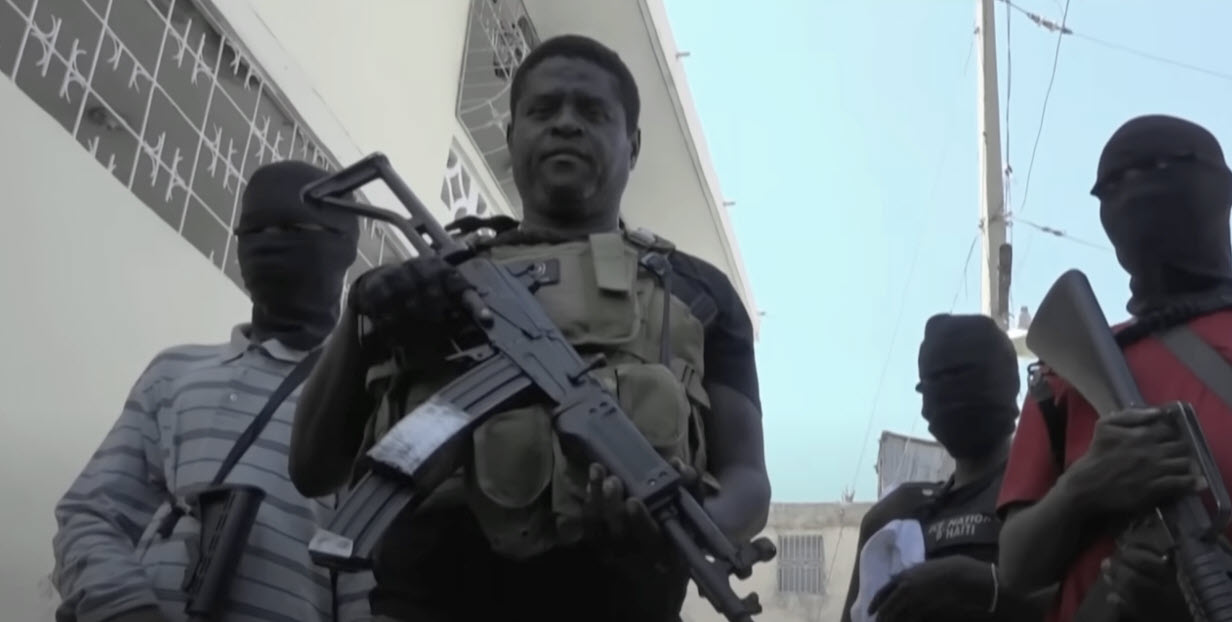
Haiti is ensnared in a deepening crisis as criminal gangs, surpassing the capabilities of national security forces, intensify efforts to overthrow the government. The situation has triggered widespread chaos, forcing thousands to flee their homes and prompting the government to declare a state of emergency in the capital, Port-au-Prince.
Criminal organizations with unprecedented strength have intensified their attacks on strategic targets, including jails and the city’s main airport. The relentless violence has already displaced around 15,000 people in Port-au-Prince, causing significant disruption to daily life and prompting businesses and schools to close.
In response to the escalating violence, the Haitian government declared a state of emergency around Port-au-Prince, initially hoping to curb the influence of criminal gangs. However, protesters have defied the state of emergency, with the unrest showing no sign of abating. The extension of the state of emergency for another month underscores the severity of the situation.
Adding to the turmoil, a powerful gang leader has called for Prime Minister Ariel Henry’s resignation, threatening civil war if he refuses to step down. The situation is further complicated by Henry’s location; currently in Puerto Rico, his return to Haiti is deemed too perilous due to the heightened security risks.
As the crisis deepens, international concerns are mounting, particularly due to Haiti’s proximity to the United States. The call for a prime minister’s resignation and the potential for civil war raise alarms about the stability of the region and the welfare of the Haitian population.
With the ongoing violence, a humanitarian crisis is unfolding, leaving thousands displaced and struggling to access essential services. The international community is closely watching the situation, evaluating options for intervention to restore stability and protect the well-being of Haiti’s citizens.

