

In a recent escalation of tensions between the United States and Israel, President Joe Biden has publicly criticized Israeli Prime Minister Benjamin Netanyahu’s approach to the ongoing conflict in Gaza. Biden stated in a Saturday interview with MSNBC that Netanyahu’s actions are “hurting Israel more than helping.” The U.S. president emphasized the need for a ceasefire, expressing concern over the rising civilian casualties in Gaza, where the death toll has surpassed 30,000.
Simultaneously, the U.S. conducted another humanitarian aid drop into Gaza on the same day, highlighting Washington’s commitment to addressing the humanitarian crisis in the region. Biden has consistently urged Israel to do more to protect civilians and facilitate aid into Gaza.
Netanyahu responded to Biden’s remarks, acknowledging disagreements between the two leaders. In a Monday statement, the Israeli Prime Minister stated that while they share agreements on Israel’s “basic goals” in the conflict with Hamas, differences persist on how to achieve them. Netanyahu’s comments followed an incident where Biden was caught on a hot mic after his State of the Union address, indicating a forthcoming “come to Jesus” meeting with the Israeli leader.
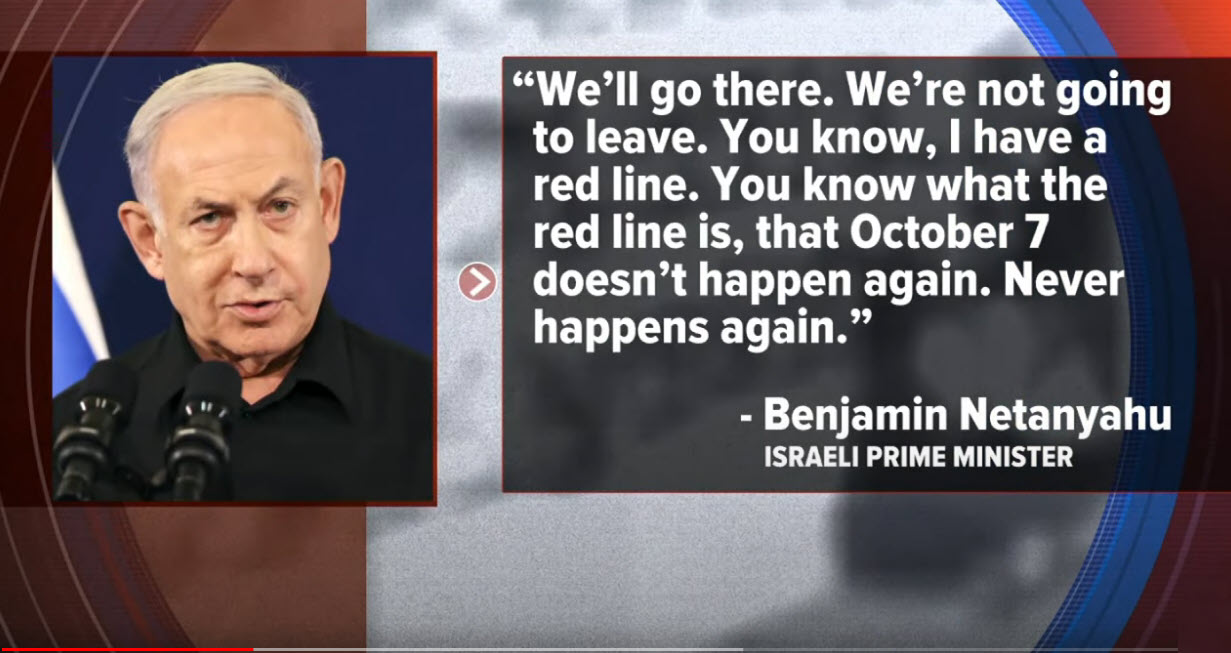
The focal point of contention revolves around Israel’s potential invasion of the city of Rafah in the Gaza Strip. Biden has declared such an invasion as a “red line,” warning of its consequences. However, he clarified that this red line would not lead to punitive measures against Israel, emphasizing the ongoing U.S. support for the defense of Israel.
Despite Biden’s warning, Netanyahu stated on Sunday that he intends to move forward with the invasion of Rafah, asserting that it won’t last more than two months. Two U.S. officials, however, informed CNN that the Biden administration is not anticipating an imminent expansion of Israeli military operations into Rafah.
The strained relations between Biden and Netanyahu have been exacerbated by the prolonged conflict in Gaza. The rising death toll, destruction, and humanitarian crisis have cast a shadow on Biden’s 2024 reelection bid. There are growing concerns within the Democratic party, leading to a campaign encouraging Michigan Democratic voters to cast protest ballots.
The situation adds to the historical disagreements between Biden and Netanyahu, including Biden’s unease with the Israeli leader’s far-right government. The U.S. administration’s rhetoric has become more critical, with Vice President Kamala Harris calling for an immediate ceasefire and increased humanitarian aid into Gaza.
As the conflict continues, the international community watches closely to see how the Biden administration navigates its relationship with Israel and addresses the complex challenges in the region.

