

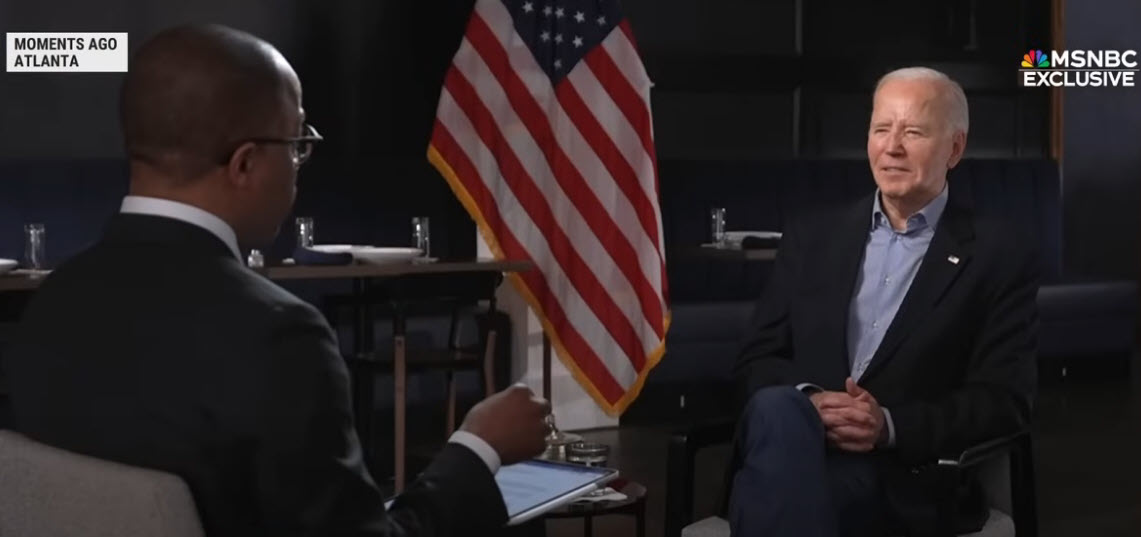
In a recent development, President Joe Biden has expressed regret for using the term “illegal” during his State of the Union address while referring to an undocumented immigrant involved in the tragic case of Laken Riley’s murder. The incident has sparked controversy, leading to a clarification from the White House.
During an interview on MSNBC, the president acknowledged the criticism surrounding his use of the term “illegal” when discussing the man accused of killing Laken Riley. Biden stated that he should have used the term “undocumented” instead and expressed regret for his choice of words. The accused, Jose Ibarra, originally from Venezuela, has been charged with the rape and murder of Laken Riley in Georgia in February.
However, the White House has issued an update, emphasizing that President Biden did not apologize for using the term “illegal” in connection to Laken Riley’s case. Despite acknowledging regret for the choice of words, the White House asserts that there was no formal apology from the president.
The controversy stems from Biden’s acknowledgment that he “shouldn’t have used ‘illegal'” and his suggestion that he should have used the term “undocumented” instead. This admission came after facing criticism from top Democrats for his language during the State of the Union speech.
Republicans have seized on the situation, accusing Biden of prioritizing semantics over the more significant issues surrounding Laken Riley’s tragic case and the broader immigration crisis. The focus on terminology has sparked a political debate, with both parties weighing in on the president’s language choices.
In response to questions and criticisms, a deputy press secretary from the White House underscored the president’s regret for the term “illegal” but clarified that no formal apology was issued. The ongoing debate highlights the sensitivity of language surrounding immigration and the challenges faced by the Biden
administration in addressing such complex issues.
As the controversy continues, the incident serves as a reminder of the broader debate over immigration policies and the impact of language choices in shaping public discourse on these crucial matters.
