

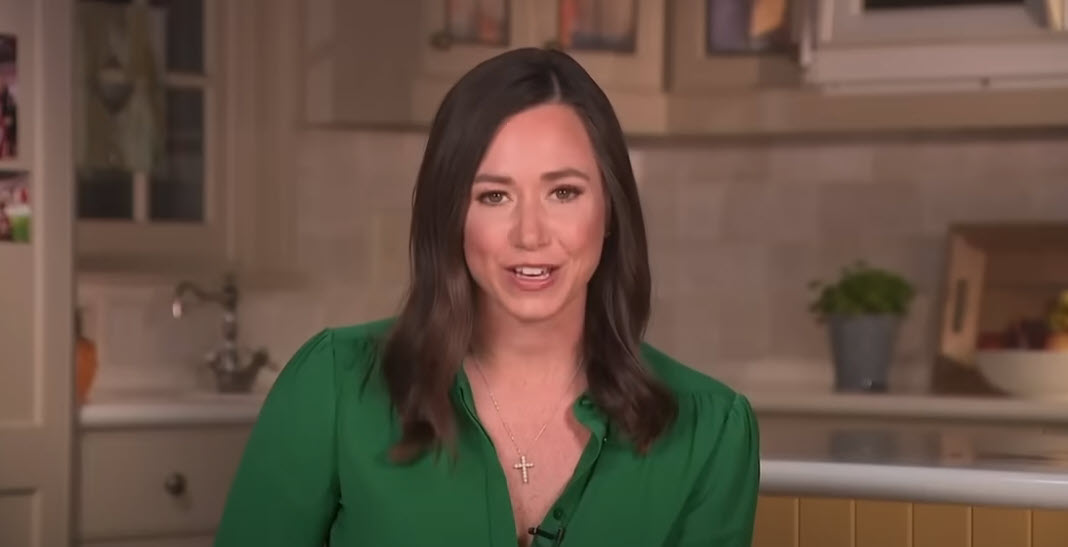
The fallout continues after Alabama Senator Katie Britt’s controversial State of the Union rebuttal, with the woman whose story was featured in her speech speaking out against the inaccuracies. Karla Jacinto Romero, the woman at the center of the human trafficking story, criticized Senator Britt for misleadingly using her experience to criticize President Biden’s immigration policies.
During her response to President Biden’s State of the Union address, Senator Britt shared a story of a young woman she met who had been a victim of human trafficking. However, it later emerged that the incident occurred between 2004 and 2008, during the George W. Bush administration, casting doubt on the relevance of using it to criticize current policies.
In an interview with CNN, Romero clarified that she was not trafficked by Mexican drug cartels, as Senator Britt had stated, nor was she trafficked in the United States. Romero expressed frustration at lawmakers for exploiting sensitive issues like human trafficking for their political agendas, emphasizing the lack of empathy in their discourse.
The controversy surrounding Senator Britt’s rebuttal has drawn criticism from various quarters, with some labeling it as “absurdly overdramatic” and pointing out glaring contradictions. Political commentators and media figures have also weighed in, with MSNBC’s Rachel Maddow highlighting inconsistencies in Senator Britt’s narrative.
In response to the backlash, Senator Britt defended her State of the Union rebuttal, maintaining that her intention was to highlight the plight of human trafficking victims and advocate for stronger border security measures. However, the discrepancies in her story have raised questions about the credibility and accuracy of her remarks.
As the debate surrounding Senator Britt’s rebuttal continues to unfold, it underscores the importance of integrity and accuracy in political discourse, particularly when addressing sensitive and complex issues such as human trafficking.

