

Customs and Border Protection (CBP) agents have intercepted attempts to smuggle monkeys into the United States from Mexico twice within a month, shedding light on the growing market for exotic pets. These incidents highlight the challenges posed by wildlife trafficking and the consequences of owning such animals.
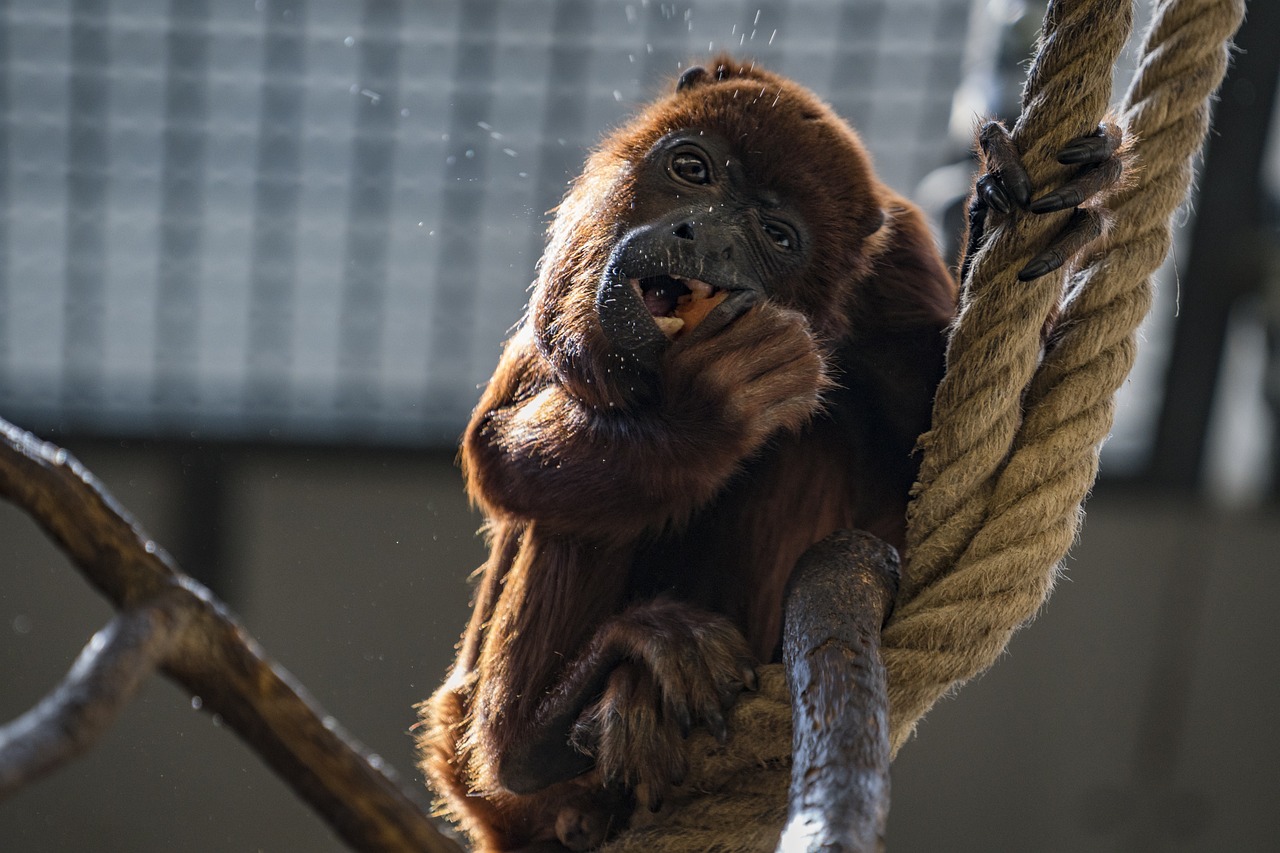
CBP agents stationed along the Texas border have successfully thwarted two separate attempts to smuggle monkeys into the country in recent weeks. The first incident occurred earlier this month when a Mexican national was apprehended while trying to smuggle two howler monkeys across the border into Brownsville. Just last week, CBP agents discovered six monkeys concealed inside a vehicle at the same port of entry.
Krystal Mathis, who leads Primarily Primates, an animal shelter in San Antonio, emphasizes that owning pet monkeys is far from enjoyable. She highlights the messiness and inherent danger associated with keeping such exotic animals as pets. Mathis’s remarks underscore the challenges and responsibilities involved in caring for wildlife species.
According to Mathis, there is a noticeable increase in the demand for pet monkeys, fueled primarily by social media trends. She also points out that Texas has relatively lenient laws concerning the ownership of exotic pets, contributing to the rise in the trade of such animals.
The interception of monkey smugglers raises concerns about the welfare of these animals and the potential risks they pose to public safety. Experts warn that exotic pets often suffer in captivity and may exhibit unpredictable behavior, posing risks to both owners and the broader community.
CBP remains vigilant in monitoring wildlife smuggling activities along the border and continues to collaborate with relevant agencies to combat illegal wildlife trafficking. The successful interceptions underscore the importance of stringent border controls and enforcement measures.
The recent interceptions of monkey smugglers by CBP agents highlight the ongoing challenges associated with wildlife trafficking and the need for stricter regulations regarding exotic pet ownership. These incidents serve as a reminder of the complexities involved in balancing conservation efforts, animal welfare, and public safety.

