

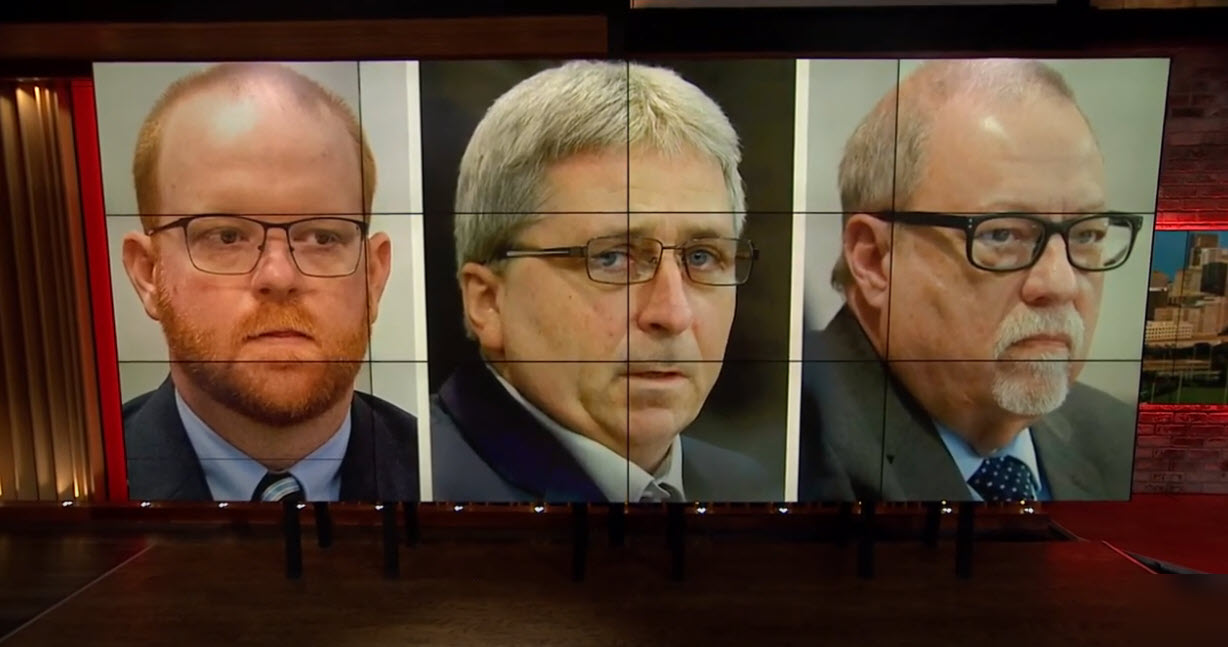
The case surrounding the tragic killing of Ahmaud Arbery in Georgia in 2020 continues to unfold as the three convicted men—Greg McMichael, Travis McMichael, and Roddy Bryan—appeal their hate crimes convictions. The appeal has sparked renewed attention and emotions, with family members and legal experts closely following the proceedings.
Ahmaud Arbery’s death gained national prominence and ignited discussions about racial injustice and hate crimes. The conviction of the three men for their roles in Arbery’s killing was a significant milestone in the pursuit of justice and accountability.
Attorneys representing Greg McMichael, Travis McMichael, and Roddy Bryan are challenging the hate crimes convictions on the grounds that evidence of past racist behavior does not necessarily establish racial motivation in Arbery’s killing. This legal argument forms the core of their appeal, raising complex questions about the interpretation and application of hate crimes legislation.
Following the appeal hearing, Ahmaud Arbery’s aunt, Diane Jackson, expressed her disappointment and frustration, stating that she had hoped the case would have been resolved long ago. She also made it clear that she does not support any attempts to diminish or remove parts of the convictions against the defendants.
The appeal process in the Arbery case carries significant legal and emotional weight. It underscores broader societal discussions about racial bias, hate crimes, and the pursuit of justice for victims of racially motivated violence. The outcome of the appeal will have implications not only for the individuals involved but also for the ongoing dialogue around systemic issues of racism and discrimination.
As the appeal of the hate crimes convictions in the Ahmaud Arbery case unfolds, it renews attention on critical legal and social justice issues. The voices of Ahmaud Arbery’s family and the legal arguments presented during the appeal highlight the complexities and challenges inherent in addressing hate crimes and racial bias within the criminal justice system.

