

Thousands of demonstrators flooded the streets of multiple Israeli cities, standing alongside families of hostages and demanding the immediate removal of Prime Minister Benjamin Netanyahu. The protests, spanning Tel Aviv, Jerusalem, Haifa, Be’er Sheva, Caesarea, and other urban centers, represent a potent challenge to Netanyahu’s leadership amid growing discontent.
The focal point of the demonstrations is the release of individuals still held captive in Gaza. Protesters labeled Netanyahu as an “obstacle to the deal,” asserting their determination to continue their actions until he relinquishes power.
Law enforcement authorities intervened forcefully, employing water cannons to disperse crowds and making 16 arrests during the protests.
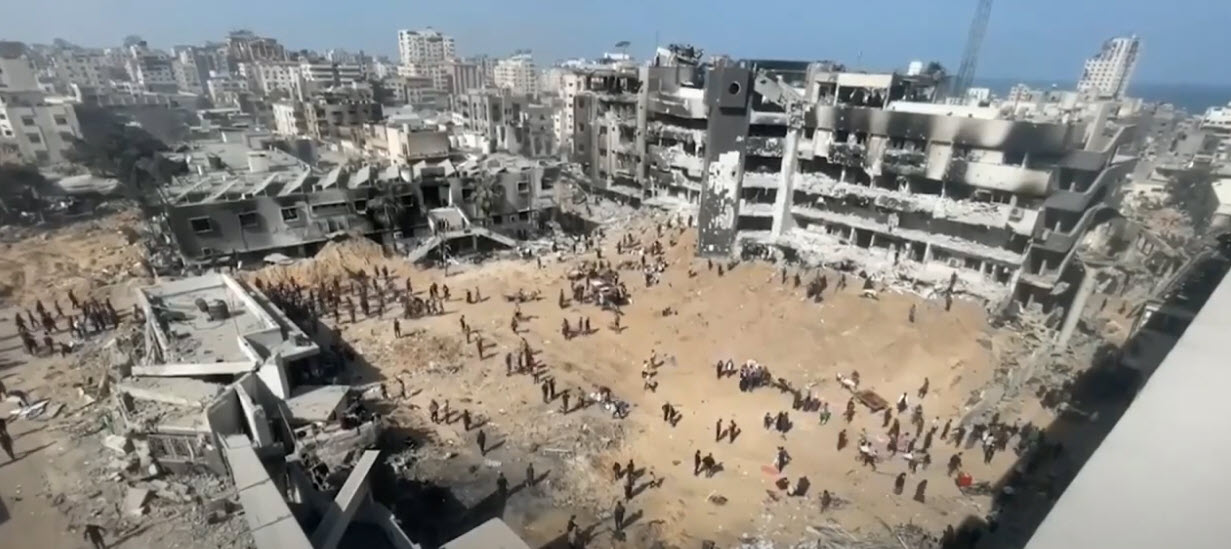
The overnight protests across Israel, fueled by calls for Prime Minister Netanyahu’s removal, have also had repercussions in Gaza. Following the intense demonstrations and mounting pressure domestically, Israeli Forces made a strategic decision to withdraw from Al-Shifa hospital in Gaza after a two-week raid. This move marks a significant development in the region’s dynamics, highlighting the interconnectedness of political shifts in Israel and their impact on the ground in Gaza.
In a significant development, families of the hostages called on government ministers, including Netanyahu’s political rival and war cabinet minister Benny Gantz, to unify with fellow Knesset members in ousting Netanyahu. They accused the Prime Minister of actively hindering efforts to secure the release of their loved ones.
The demonstrations signal a deep-seated dissatisfaction with Netanyahu’s leadership and reflect the ongoing tensions within Israeli politics regarding issues such as national security and prisoner negotiations.

