

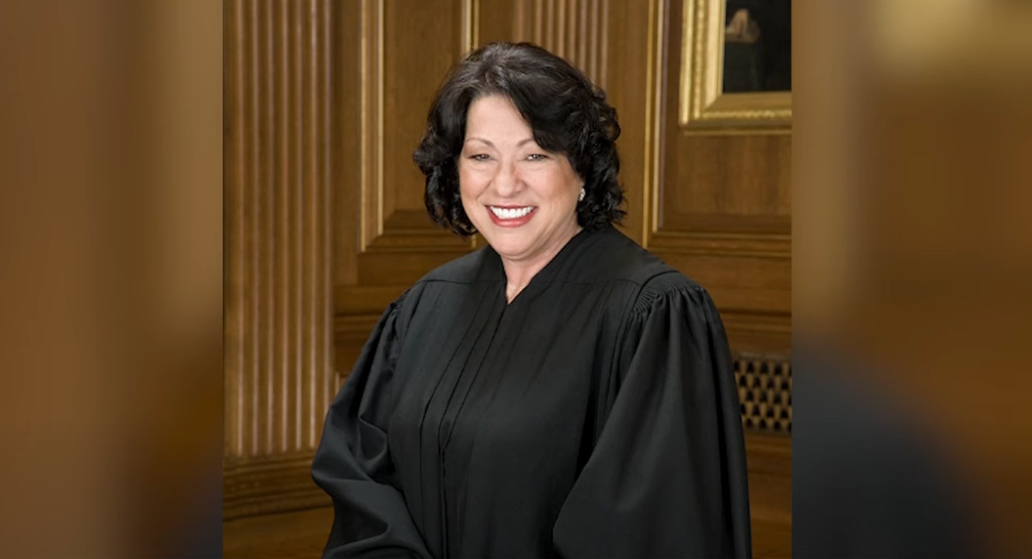
As the November general election draws nearer, discussions about the future of Supreme Court Justice Sonia Sotomayor are gaining momentum, sparking a debate within political circles.
At 69 years old, some voices are advocating for Justice Sotomayor to consider retirement while President Biden is in office and the Democrats maintain control of the Senate. The rationale behind this suggestion is to allow President Biden to nominate a younger Democratic justice, securing a left-leaning vote on the Supreme Court for an extended period.
However, Democratic lawmakers have not rallied behind this call for retirement. While there is a recognition of the potential benefits of a strategic retirement, there is also apprehension about a scenario similar to what unfolded with Justice Ruth Bader Ginsburg.
The caution stems from the lessons learned after Justice Ginsburg’s decision not to step down during President Obama’s tenure, leading to a conservative shift in the Supreme Court with her eventual passing during President Trump’s administration.
While the calls for retirement are not coming directly from Democratic senators, there is a growing acknowledgment of the strategic considerations at play. The fear of losing a crucial liberal voice on the Supreme Court is juxtaposed with the desire to secure a lasting progressive influence on the bench.
This debate highlights the delicate balance between strategic planning for the future composition of the Supreme Court and respecting the autonomy of justices in deciding their retirement timelines. The political landscape and the dynamics within the judiciary add layers of complexity to this discussion.
As discussions continue, observers are keenly watching for any signals or developments regarding Justice Sotomayor’s future plans. The outcome of this debate could have significant implications for the ideological balance of the Supreme Court and the trajectory of key legal decisions in the years to come.

