

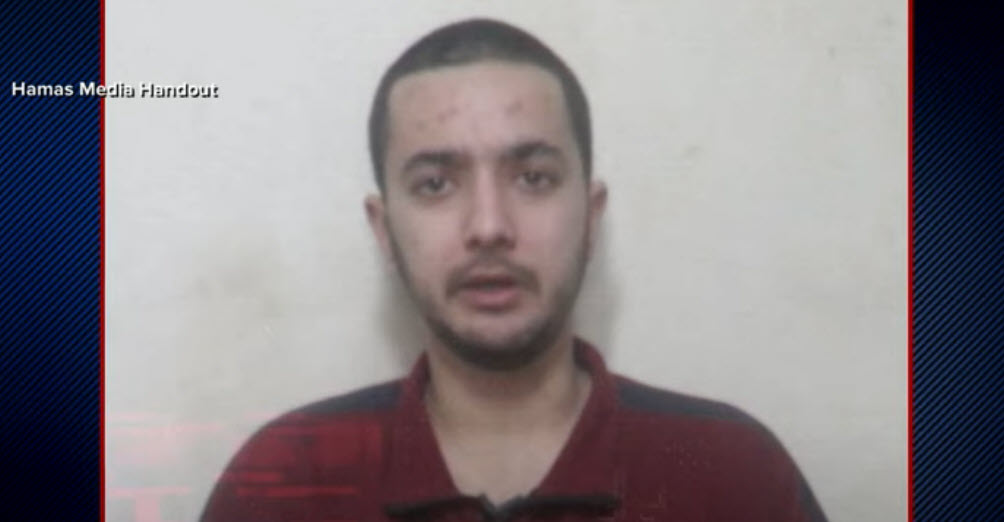
Hamas’s release of a propaganda video featuring an Israeli-American hostage, Hersh Goldberg-Polin, has intensified international attention and concern. In the video, Goldberg-Polin appears physically compromised, having suffered significant injuries during his capture in the October 7th Hamas attack. His presence in the video, despite his injuries, underscores the gravity of the situation and the challenges faced by hostages in conflict zones. Goldberg-Polin, seated in the video with a noticeably missing left arm below the elbow, delivers a message critical of the Israeli government, adding a political dimension to his plight.
The release of this video has sparked widespread discussions about hostage diplomacy, the ethics of using hostages for political leverage, and the complexities of negotiating for their release. Goldberg-Polin’s family, visibly distraught but resolute, has been actively advocating for his safe return. Their efforts include prominent displays of banners and murals in Jerusalem, urging authorities to prioritize his release and reunite him with his loved ones.
This development has also reignited debates about the broader conflict dynamics in the region, including the ongoing tensions between Hamas and Israel. It highlights the human cost of such conflicts and the challenges faced by individuals caught in the crossfire. The international community is closely monitoring the situation, calling for diplomatic efforts to secure Goldberg-Polin’s release and ensure the safety of all hostages affected by conflict-related violence.
As discussions continue, the video serves as a stark reminder of the personal tragedies and human stories behind geopolitical conflicts. It underscores the urgent need for peaceful resolutions, dialogue, and humanitarian considerations in addressing complex and longstanding disputes.

