

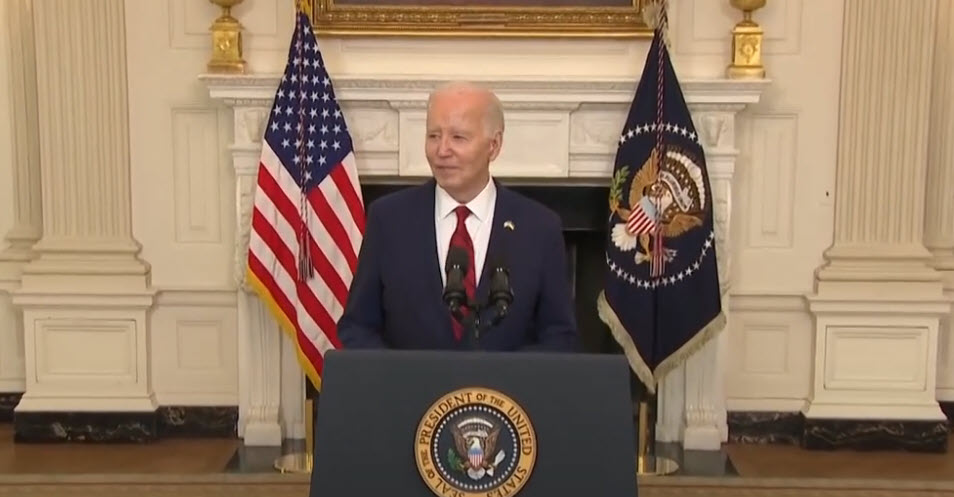
U.S. President Joe Biden marked a significant milestone in foreign policy on Wednesday as he signed legislation delivering $95 billion in aid to Ukraine, Israel, Taiwan, and other allies. Describing the occasion as “a good day for world peace,” Biden’s signature brought an end to protracted and often contentious debates with Republicans in Congress, solidifying crucial support for nations grappling with geopolitical challenges.
President Biden has celebrated the enactment of a significant foreign aid package totaling $95 billion, emphasizing its support for Ukraine, Israel, and the broader Indo-Pacific region. The bill’s signing into law marks a crucial step in America’s global leadership, according to Biden. This move comes as Ukraine faces urgent needs, with Biden assuring that military aid shipments will commence promptly to assist Kyiv in its ongoing conflict with Russia, especially as munition supplies dwindle.
Acknowledging the complexity of passing such legislation, Biden criticized what he termed “MAGA Republicans” for causing months of delay through internal disputes regarding continued backing for Ukraine. Ukrainian President Volodymyr Zelensky expressed gratitude for the aid package, underlining the importance of international solidarity in addressing critical geopolitical challenges.
However, the bill’s journey through the Senate was not without contention. Notable Republican figures like Senator Ted Cruz of Texas voiced dissent, citing concerns about border security funding. Cruz’s opposition, despite his support for provisions benefiting Israel and actions against platforms like TikTok, highlights ongoing divisions within the Senate regarding strategic priorities and spending allocations.
The aid package’s passage underscores ongoing diplomatic efforts to support allies and address regional security concerns, amidst broader debates over foreign policy strategies and budgetary allocations within the U.S. government.

