

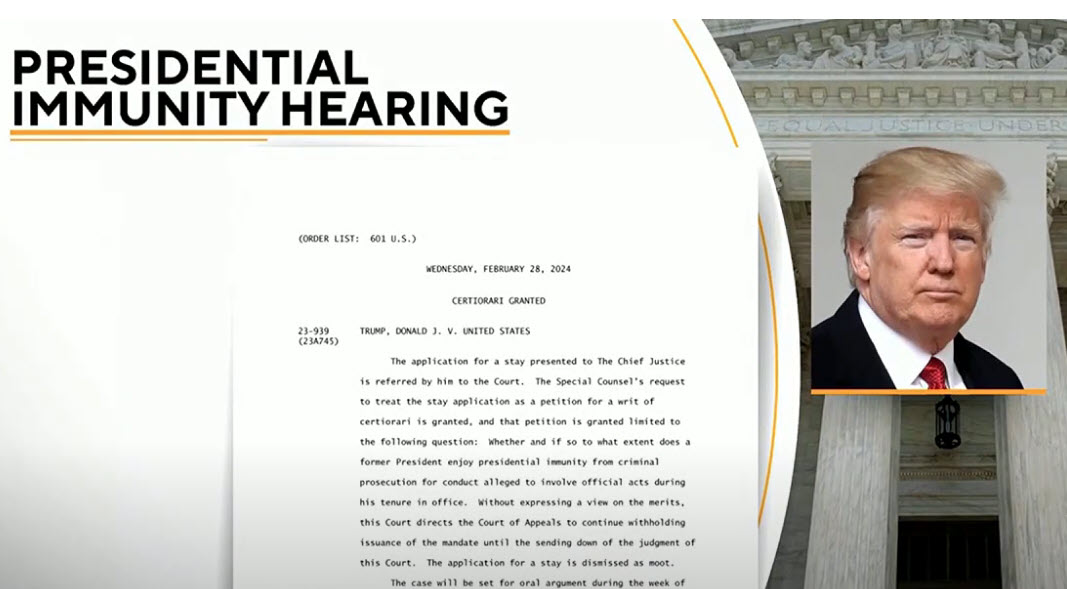
The Supreme Court is at the center of a legal showdown over former President Donald Trump’s claim of immunity from prosecution for actions taken while in office. The case, which focuses on Trump’s alleged interference in federal elections, has far-reaching implications for ongoing legal battles against him.
In recent hearings, Trump’s attorney, D. John Sauer, argued vehemently for presidential immunity, stating that without it, every president would face the threat of politically motivated prosecutions. Sauer emphasized that the former president’s efforts to challenge the 2020 election results were official acts performed during his tenure in office, warranting immunity from prosecution.
On the opposing side, special counsel attorney Michael Dreeben countered, highlighting the absence of any historical or legal basis for granting former presidents immunity from prosecution. Dreeben stressed that the Constitution does not explicitly grant such immunity, challenging the notion of absolute protection for official acts.
The Supreme Court’s ruling, expected in June, carries significant consequences. A favorable decision for Trump would not only dismiss the election interference case but also potentially unravel other criminal cases against him, including charges related to conspiracy and obstruction of an official proceeding.
Meanwhile, in a separate legal battle in New York City, Trump faces felony charges in his hush money trial. Testimony from former National Enquirer publisher David Pecker has shed light on efforts to shield Trump from negative publicity during the 2016 election campaign. The trial centers on allegations of falsifying business records to conceal payments made to adult film actress Stormy Daniels.
As these legal dramas unfold, Trump’s legal team continues to argue for dismissal of charges, citing various legal and constitutional grounds. The outcomes of both the Supreme Court case and the New York trial will significantly impact Trump’s legal standing and future prospects.
The Supreme Court’s decision on presidential immunity could set a precedent with lasting implications for the legal accountability of former presidents and the limits of executive power.

