

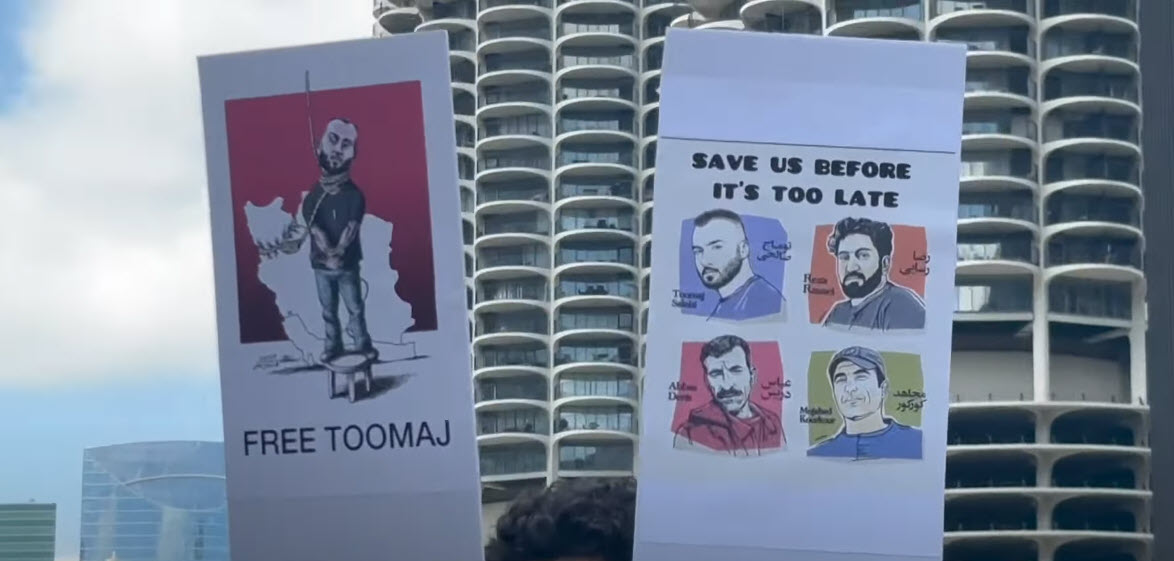
In Tehran, Toomaj Salehi, an Iranian rapper known for his criticism of the regime, has been sentenced to death for his involvement in protests in 2022. The news of his sentencing was revealed by Salehi’s lawyer on social media platforms.
The 32-year-old rapper was arrested following his participation in protests and was reportedly subjected to torture while in solitary confinement. Iranian pro-reform outlets reported that a court overturned the Supreme Court’s decision in his case on Tuesday, resulting in the imposition of the maximum penalty of death.
Salehi’s case highlights ongoing concerns about human rights and freedom of expression in Iran, where dissent and activism are often met with harsh crackdowns by the authorities. Critics argue that the use of extreme measures such as the death penalty for peaceful protest undermines basic rights and stifles political discourse.
International human rights organizations have condemned Salehi’s sentencing and called for his release, citing violations of due process and the right to a fair trial. The case has also sparked renewed debate about the treatment of political dissidents and activists in Iran.
Iranian authorities have not commented publicly on Salehi’s case or the details of his sentencing. However, his arrest and subsequent death sentence have drawn attention to broader issues of civil liberties and judicial impartiality in the country.
The fate of Toomaj Salehi has become a symbol of the challenges faced by individuals advocating for change and expressing dissent in Iran’s political landscape.

