

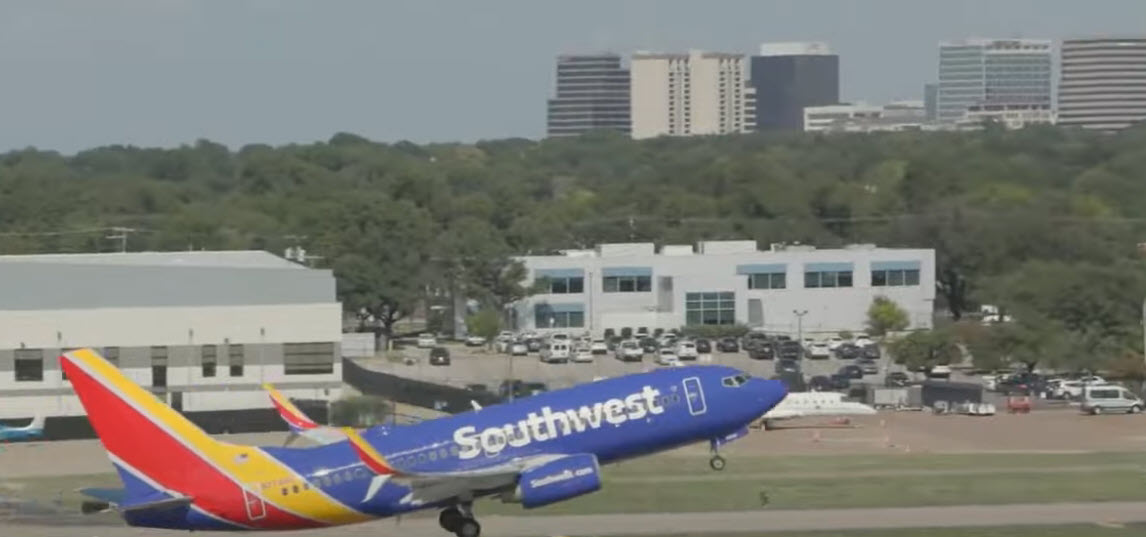
Southwest Airlines has made the decision to suspend its operations at four major airports due to ongoing financial difficulties and Boeing delivery delays. The announcement came on Thursday, signaling a significant shift for the airline.
Southwest Airlines will no longer operate flights at George Bush Intercontinental Airport in Houston, Syracuse Hancock International Airport, Bellingham International Airport in Washington, and Cozumel International Airport in Mexico. This move is part of the airline’s efforts to address financial underperformance and streamline its operations.
The company’s decision comes amid challenging times in the aviation industry, with Southwest reporting losses exceeding $230 million in the first quarter of 2024. Additionally, the airline plans to lay off around two thousand employees by the end of the year as part of its cost-cutting measures.
The impact of Southwest’s withdrawal from these airports will be felt by travelers and the local communities served by these air hubs. Passengers who have booked flights through Southwest at these airports will need to make alternative travel arrangements or seek refunds.
Additionally, Southwest Airlines, renowned for its distinctive open-seating cabins that have long been a hallmark of its passenger experience, is currently contemplating a shift towards a more conventional seating model. This potential change is part of the airline’s strategy to enhance revenue generation. However, Southwest has clarified that no final decision has been made yet regarding this shift in seating arrangements. Notably, they have reassured passengers that their policy of offering free checked bags will remain unchanged regardless of any adjustments to the seating model.
Southwest Airlines’ decision reflects broader challenges faced by the aviation sector, including rising fuel costs, supply chain disruptions, and shifting travel demand patterns due to the ongoing COVID-19 pandemic.
The airline industry continues to navigate a complex landscape of financial pressures and operational adjustments as it strives to recover from the pandemic’s impact and adapt to evolving market conditions.

