

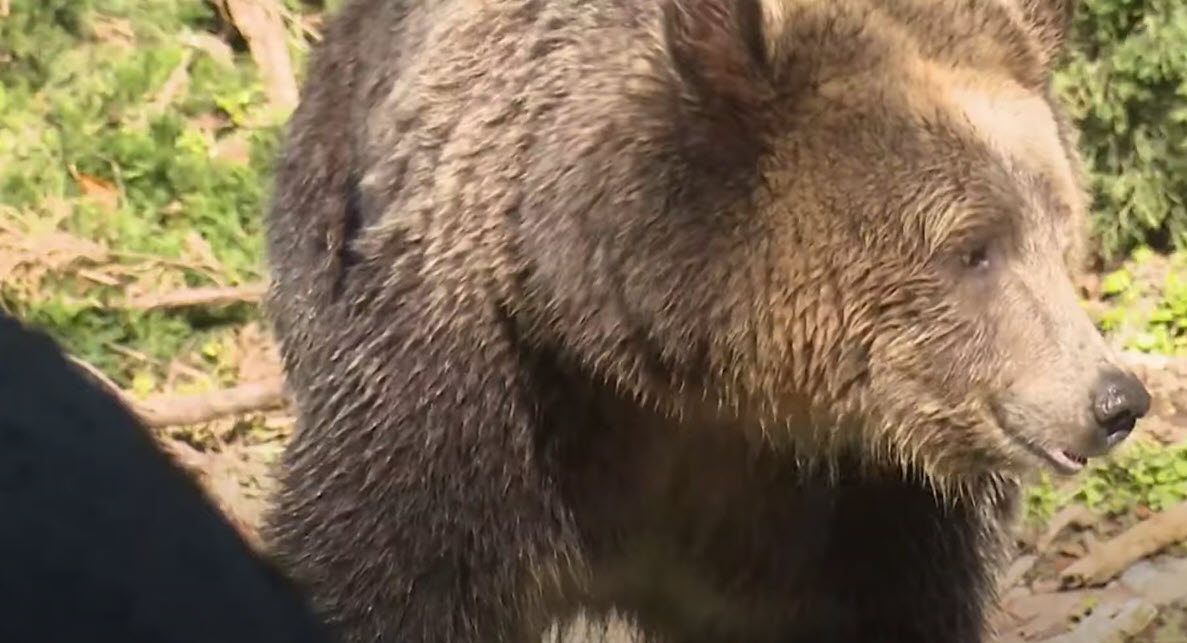
In a significant conservation effort, the federal government has announced plans to reintroduce grizzly bears to Washington’s North Cascades. This decision comes after years of discussion and assessment of the ecological impact of such a reintroduction.
The National Parks Service (NPS) and the U.S. Department of Fish and Wildlife are spearheading the initiative, aiming to restore a population of grizzly bears to the North Cascade Mountains, where they once thrived for thousands of years before largely disappearing due to human activities like hunting.
The reintroduction plan involves translocating three to seven grizzly bears annually over the course of five to ten years. The ultimate goal is to establish an initial population of 25 grizzly bears in the region. These bears will be relocated from ecosystems in the Rocky Mountains and Interior British Columbia, chosen for their genetic diversity and suitability to thrive in the North Cascades environment.
The North Cascades ecosystem spans approximately 9,800 square miles, making it larger than the state of New Jersey. It is recognized as one of the most intact wildlands in the contiguous United States, hosting diverse flora and fauna that contribute significantly to the region’s biodiversity.
While the announcement has been met with enthusiasm from conservationists and supporters of wildlife reintroduction, some concerns have also been raised. Opponents of the plan cite potential conflicts between humans and grizzly bears, particularly regarding livestock protection and public safety.
However, proponents argue that the reintroduction of grizzly bears is essential for restoring the natural balance of the North Cascades ecosystem. These apex predators play a crucial role in maintaining healthy ecosystems by regulating prey populations and promoting biodiversity.
The decision to bring back grizzly bears to Washington’s North Cascades reflects ongoing efforts to conserve and protect the region’s unique natural heritage. As the translocation process begins, careful monitoring and management will be crucial to ensure the successful establishment of a sustainable grizzly bear population in this iconic landscape.

