

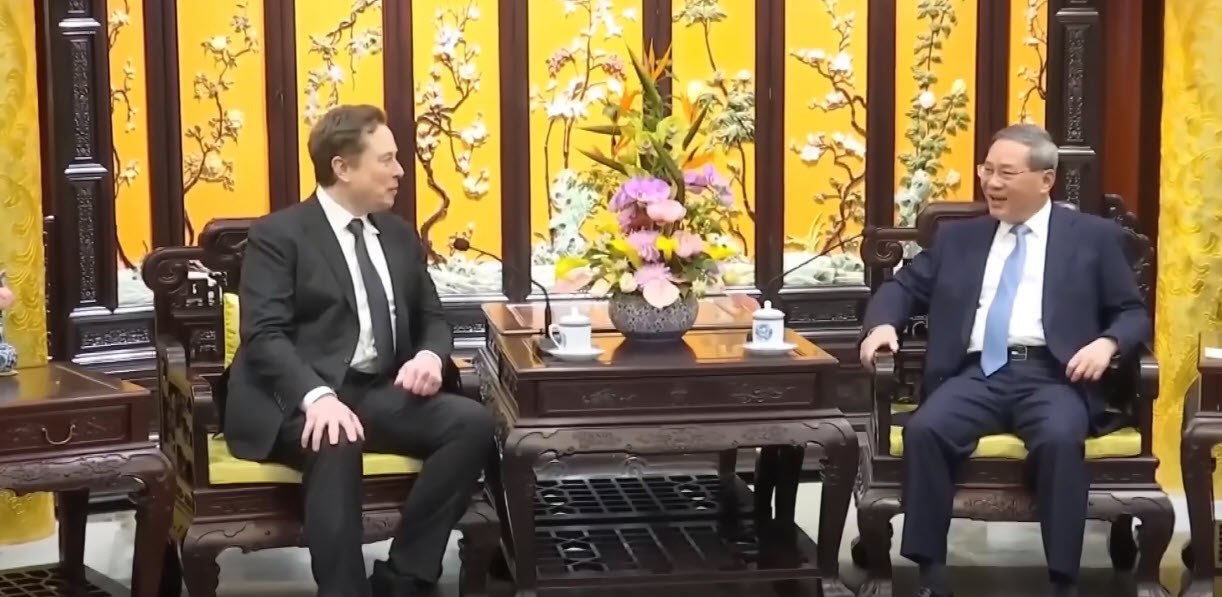
Elon Musk, the CEO of Tesla and SpaceX, has been making headlines with his recent ventures and legal battles. In a surprise move, Musk visited China to finalize a major deal for Tesla’s expansion in the self-driving car sector. He praised China’s efforts in promoting electric vehicles, acknowledging the country’s significance as the world’s largest car market.
Meanwhile, Musk’s plans for India faced a setback as he postponed his highly anticipated visit to the country. The Tesla and Starlink CEO had announced ambitious investment plans totaling $2-3 billion in India. However, citing “very heavy Tesla obligations,” Musk delayed his trip and the scheduled meeting with Indian Prime Minister Narendra Modi.
In a separate legal development, the U.S. Supreme Court declined to hear Musk’s challenge to an SEC order regarding his social media activity related to Tesla. The court’s decision means that Musk must adhere to the terms of an agreement reached with the SEC, which requires a lawyer to review his tweets about Tesla. This provision, dubbed the “Twitter sitter” rule, originated from a 2018 settlement after the SEC accused Musk of making misleading statements that influenced Tesla’s stock prices.
Musk has been vocal about his opposition to the SEC’s restrictions, arguing that they infringe upon his First Amendment rights to free speech. However, with the Supreme Court’s refusal to take up the challenge, Musk remains bound by the terms of the agreement.
These developments highlight the dynamic nature of Musk’s endeavors, from striking major deals in the automotive industry to navigating legal challenges that shape Tesla’s public image and market performance.

