

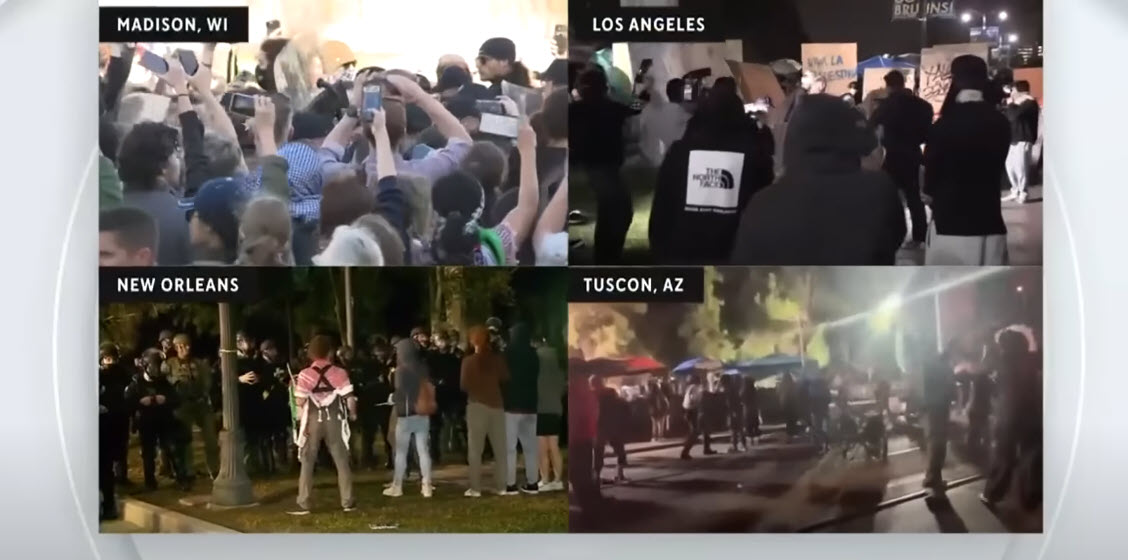
The Pulitzer Prize Board recently issued a public commendation for student journalists who have been at the forefront of covering ongoing campus protests across the United States. The announcement, which praised the students for their dedication and professionalism, highlights the critical role these young reporters are playing in documenting significant social movements.
At Columbia University, where the Pulitzer Prizes are administrated, student journalists have been particularly recognized for their exhaustive coverage. These students have not only reported on the events but have done so under challenging conditions, often becoming the primary source of news as access to campuses has been restricted for other media outlets. The Board emphasized the importance of press freedom and applauded the students for their courageous reporting during these tumultuous times.
The protests, largely centered around issues such as international conflicts and campus policies, have seen significant police presence and, in some cases, clashes between protesters and law enforcement. Student journalists at Columbia and other institutions like Yale, Dartmouth, and the University of Southern California have had to navigate complex situations, balancing their roles as students and reporters. This dynamic has led to some students facing legal challenges, including arrests, as they covered the events.
This recognition by the Pulitzer Prize Board is not just an acknowledgment of the skilled reporting being done but also a reflection of the evolving landscape of journalism education. Student journalists are gaining real-world experience, grappling with ethical dilemmas, and making editorial decisions that impact how stories are told and perceived. This hands-on experience is invaluable as they prepare for careers in a field that is increasingly central to the functioning of a democratic society.
As the situation on campuses continues to develop, the role of student journalists remains crucial. They are not only covering the news but are also shaping the discourse around key issues, making their work an integral part of how these protests are understood by the wider public.

