

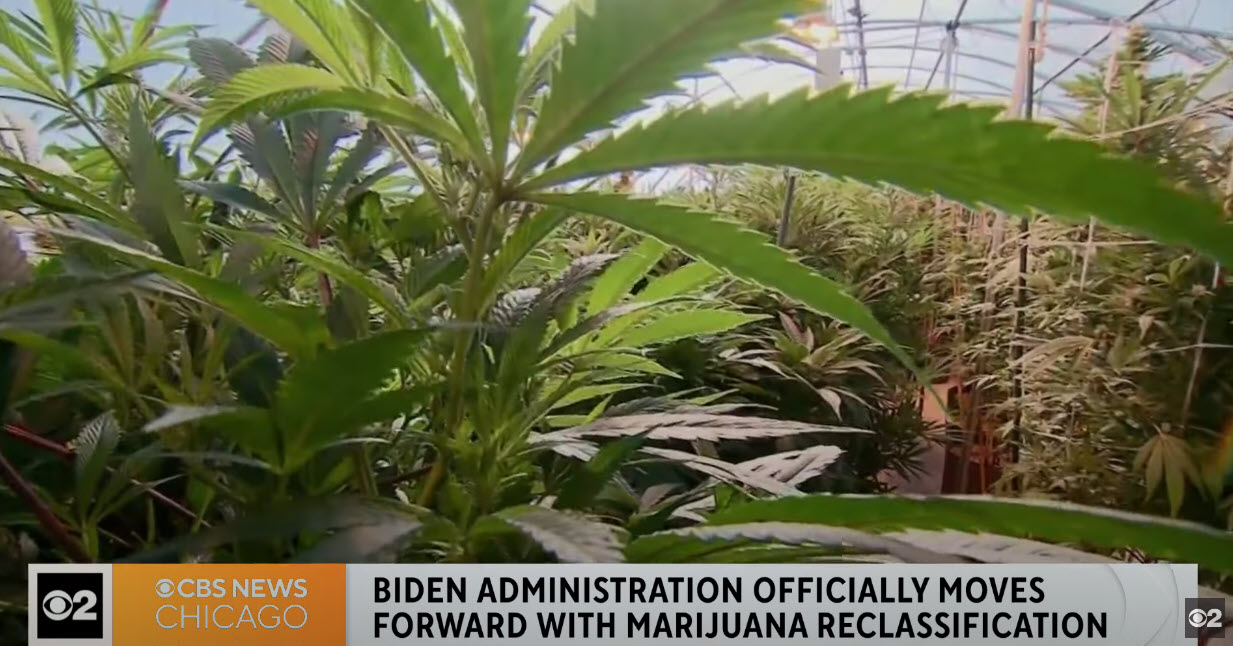
The Biden administration takes a significant step in cannabis policy reform by proposing to reclassify marijuana from a Schedule I to a Schedule III drug. The Department of Justice (DOJ) issues a notice of proposed rulemaking today to effect this change, marking a major shift in federal cannabis policy.
The DOJ’s notice of proposed rulemaking to reclassify marijuana to a less restrictive category is a landmark move, reflecting the evolving landscape of cannabis legalization across the United States. Over the past decade, dozens of states have legalized recreational marijuana, and this federal action aims to align national policy with these state-level changes. The reclassification will be subject to a 60-day public comment period, allowing citizens and stakeholders to voice their opinions and concerns.
In a video posted on X (formerly Twitter), President Biden emphasizes the significance of the proposal, stating, “This is an important move toward reversing longstanding inequities.” He reiterates that no one should be incarcerated for merely using or possessing marijuana, highlighting the administration’s commitment to criminal justice reform and social equity. Biden’s administration has consistently advocated for changes in federal marijuana policies to mitigate the impacts of past punitive measures that have disproportionately affected minority communities.
Reclassifying marijuana from Schedule I, a category reserved for substances with no accepted medical use and high potential for abuse, to Schedule III, which includes drugs with moderate to low potential for physical and psychological dependence, represents a substantial change in federal drug policy. This reclassification acknowledges the growing body of scientific evidence supporting the medicinal benefits of marijuana and responds to public demand for more rational and equitable drug laws.
The proposed reclassification has garnered mixed reactions from various sectors. Advocates for marijuana legalization and criminal justice reform applaud the administration’s initiative, viewing it as a critical step toward rectifying past injustices and advancing sensible drug policies. However, some critics argue that reclassification does not go far enough, calling for full legalization and regulation similar to alcohol and tobacco.
If finalized, the reclassification of marijuana could have wide-ranging implications, including changes in medical research, criminal justice, and industry regulation. It may facilitate easier access to marijuana for medical purposes, reduce legal penalties for possession and use, and pave the way for more comprehensive federal legislation on cannabis.
As the 60-day public comment period progresses, the administration will gather feedback to refine and finalize the proposed rule. This period is crucial for ensuring that the policy change reflects the needs and perspectives of the American people.

