

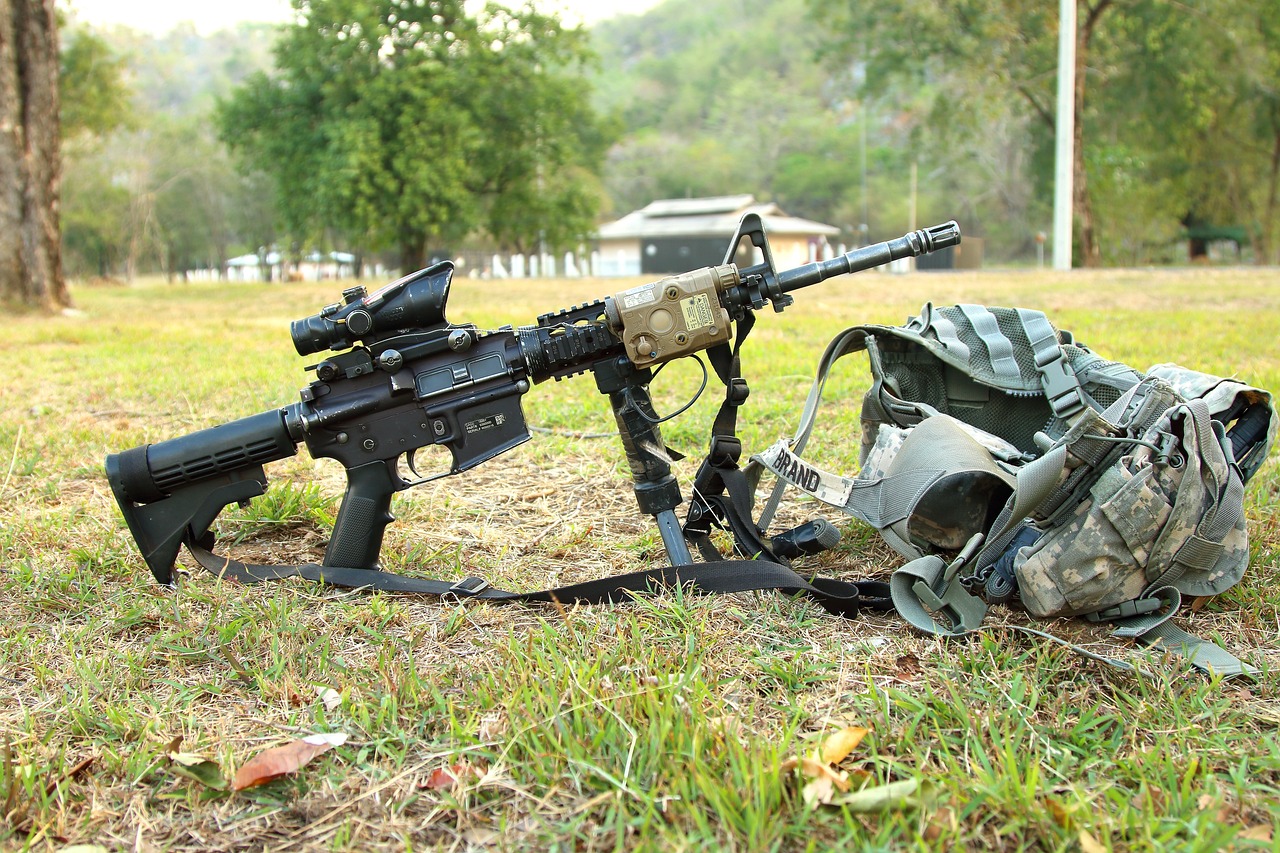
A new gun control measure is being proposed in Congress, targeting the sale of 50-caliber rifles. Democrats, led by Congressman Joaquin Castro of Texas, are advocating for this ban, arguing that these powerful weapons, capable of taking down helicopters from over a mile away, are not suitable for civilian use.
Congressman Castro highlights the significant role these rifles play in violence across the border, stating that 90 percent of weapons used in Mexican shootouts originate from the United States. He argues that banning the sale of 50-caliber rifles domestically would reduce their availability and impact in conflicts south of the border, thereby enhancing regional security.
Addressing concerns about the implications of the ban for personal defense, Castro assures that this legislation will not impede individuals from protecting their homes. He emphasizes that the vast majority of gun owners do not possess these types of high-powered rifles, and the proposed ban is specifically aimed at limiting access to what he describes as “weapons of war.”
Castro states, “We’re not coming for your guns. Very few people own this type of weapon.” He underscores that the goal is to prevent the misuse of these military-grade firearms, which have been linked to significant violence and are seen as unnecessary for typical self-defense purposes.
The proposed legislation is part of a broader effort by Democrats to implement stricter gun control measures in the wake of increasing gun violence. This initiative has already sparked debate in Congress, with opponents arguing that such bans infringe on Second Amendment rights, while supporters advocate for enhanced public safety and reduced cross-border violence.
As the bill progresses through the legislative process, it is expected to encounter substantial discussion and possibly resistance, reflecting the deep divisions within Congress on gun control issues. The outcome of this proposal could have significant implications for future firearm regulations and the ongoing debate over gun rights in the United States.

