

Food banks and advocacy groups are voicing strong opposition to newly-introduced changes to the Farm Bill that would alter the formula for distributing Food Stamp benefits. The proposed legislation aims to prevent the Agriculture Department from “arbitrarily increasing” Supplemental Nutrition Assistance Program (SNAP) benefits, a move critics argue is a veiled attempt to cut funding.
Celia Cole, CEO of Feeding Texas, highlights the potential negative impacts of these changes, emphasizing that many families are already struggling with hunger at current benefit levels. According to the Congressional Budget Office (CBO), the proposed plan could lead to a $30 billion reduction in SNAP benefits over the next decade, with Texas alone facing a cut of approximately $2.3 billion.
“This is a partisan attack that will hamstring the USDA’s ability to ensure SNAP benefits keep pace with the cost of a healthy diet,” Cole asserts. She argues that the proposed changes are not just a matter of administrative adjustment but a significant reduction in support for millions of Americans who rely on these benefits to meet their nutritional needs.
The debate over the Farm Bill and SNAP benefits comes at a time when food insecurity remains a critical issue across the United States. Advocates like Cole warn that any reduction in benefits could exacerbate hunger and poverty, particularly in states with high levels of food insecurity.
Supporters of the proposed changes argue that the adjustments are necessary to prevent unchecked increases in SNAP spending and to ensure fiscal responsibility. However, opponents counter that the cuts will disproportionately affect vulnerable populations, including children, the elderly, and low-income families.
Food banks across the country are rallying against the bill, urging lawmakers to consider the real-life implications of these cuts. They stress the importance of maintaining adequate funding for SNAP to support the health and well-being of millions of Americans.
As the bill progresses through Congress, it is expected to face intense debate and scrutiny. The outcome will significantly influence the future of food assistance programs and the fight against hunger in the United States.
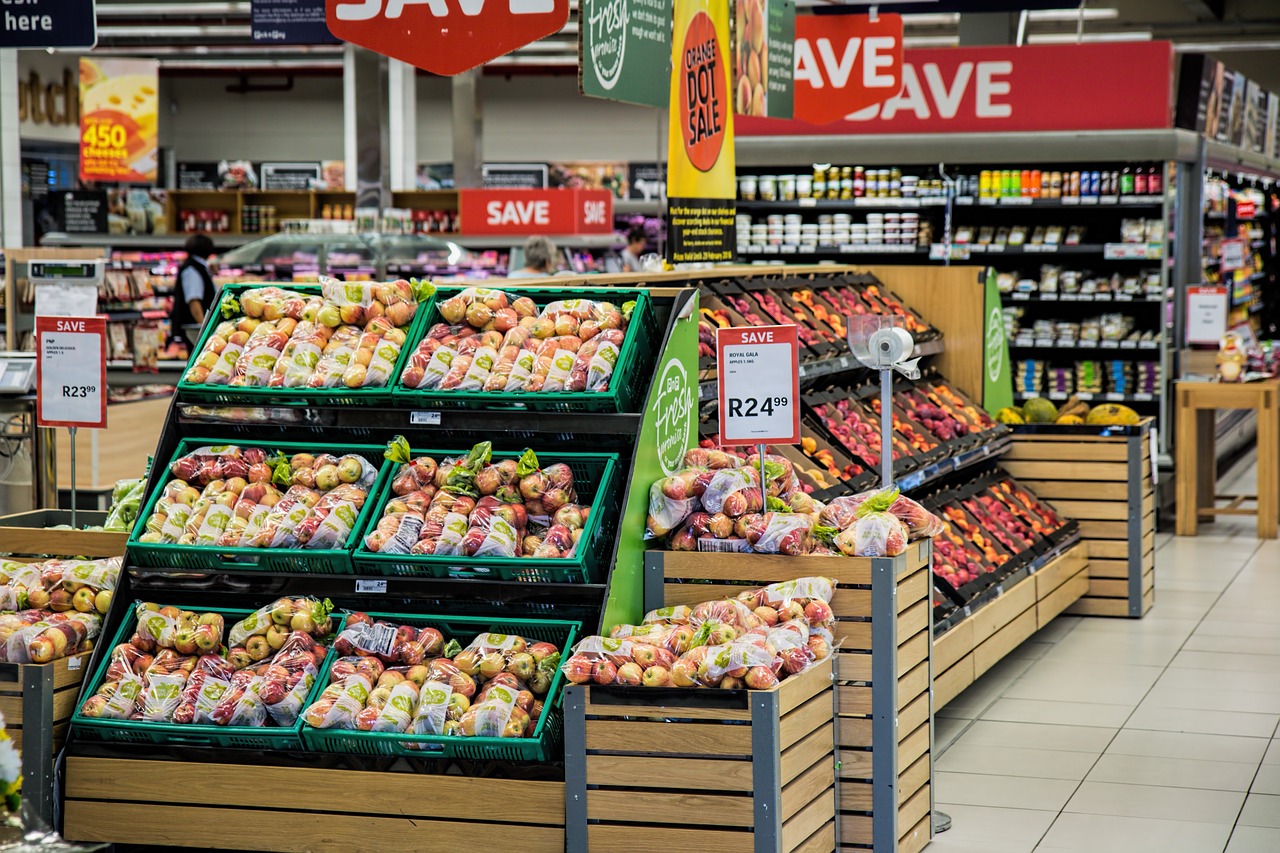
Image by Steve Buissinne from Pixabay

