

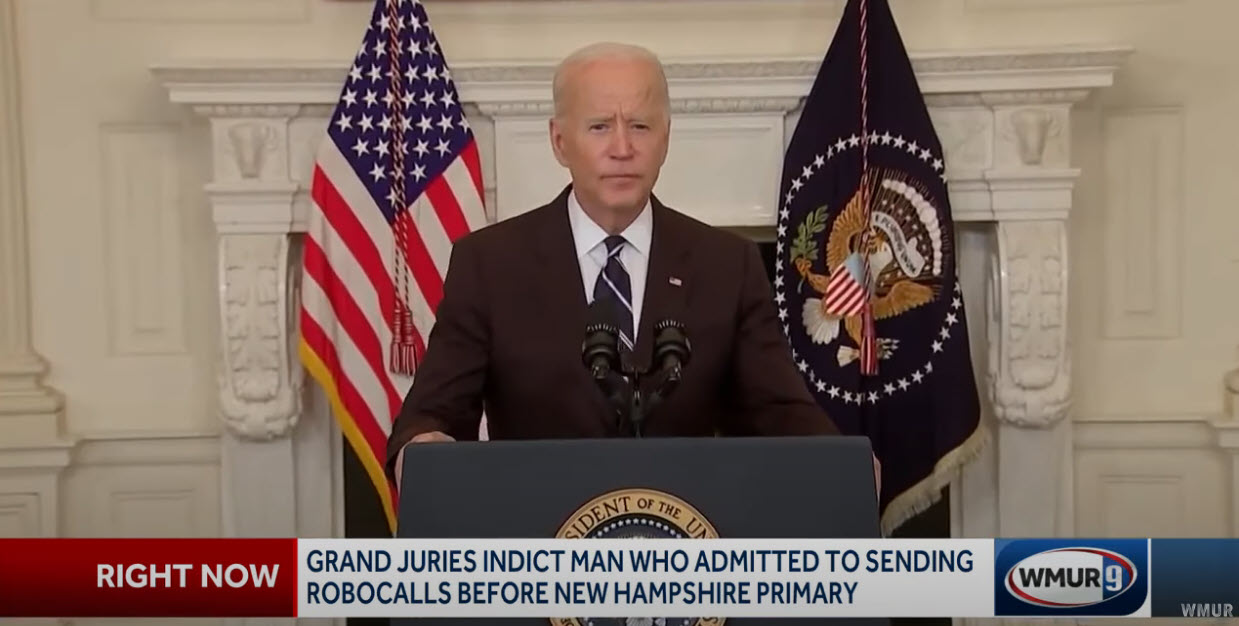
A political consultant is facing indictment after admitting to using a deepfake of President Joe Biden’s voice in robocalls targeting New Hampshire primary voters. This case marks a significant legal development in the realm of political campaign tactics and digital deception.
The consultant, whose identity has not yet been disclosed, is charged with multiple counts of fraud and election interference. The indictment follows an investigation into the use of sophisticated artificial intelligence technology to create a convincing imitation of President Biden’s voice. This deepfake was then used in robocalls aimed at manipulating voters during the New Hampshire primary.
According to the indictment, the robocalls featuring the deepfake voice were designed to mislead voters by disseminating false information about President Biden’s policies and campaign positions. The calls reportedly included statements that were intended to confuse or misinform the electorate, potentially influencing the outcome of the primary.
This case highlights the growing concern over the use of deepfake technology in political campaigns. Deepfakes, which use artificial intelligence to create realistic but fake audio or video, pose significant challenges to election integrity and public trust. The indictment underscores the potential legal consequences for those who employ such deceptive tactics in the political arena.
Federal and state officials have condemned the use of deepfakes in political campaigns. The Department of Justice has emphasized the seriousness of the charges, noting that such actions undermine the democratic process. New Hampshire’s Attorney General has also vowed to pursue strict penalties to deter future incidents.
The public reaction has been one of outrage and concern. Advocacy groups and citizens are calling for stronger regulations and technological safeguards to prevent the misuse of deepfake technology. There is a growing consensus that more robust measures are needed to protect the integrity of elections and ensure that voters receive accurate information.
The indictment sets a precedent for how deepfake-related crimes will be prosecuted in the future. It sends a clear message that the manipulation of digital media for political gain will not be tolerated. As technology continues to evolve, political consultants and campaigns are likely to face increased scrutiny and regulation regarding their use of digital tools.
This case also prompts a broader discussion about the ethical responsibilities of those involved in political campaigning. There is a call for political consultants and media companies to adopt stricter ethical guidelines and for lawmakers to develop comprehensive policies to address the challenges posed by emerging technologies.

