

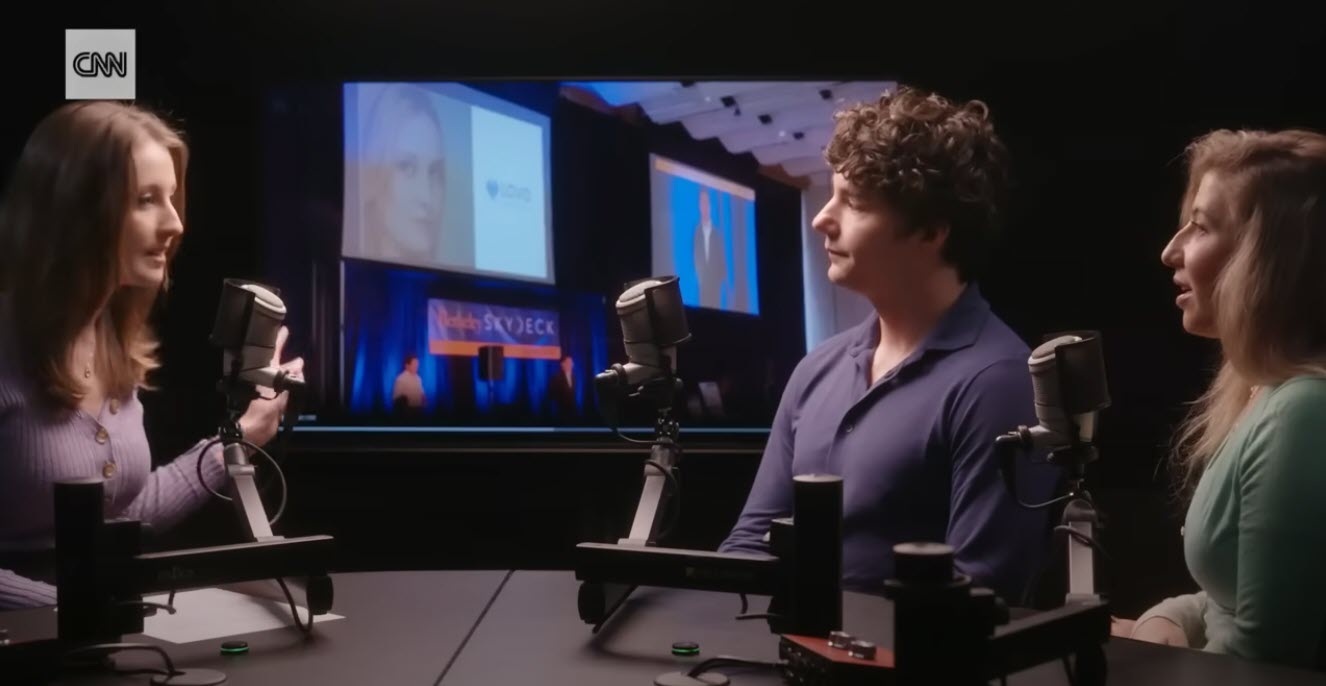
In a dramatic illustration of the growing tension between technology and intellectual property rights, voice actors Linnea Sage and Paul Skye Lehrman reveal that artificial intelligence (AI) “stole” their voices. The actors, who recorded their voices for a client under the pretense of “academic research” and “tests for radio ads,” were shocked to discover AI versions of their voices being used without their consent years later. In a compelling video demonstration, they showed CNN’s Clare Duffy the striking similarities between their natural voices and the AI-generated versions, underscoring their claim of voice theft.
Sage and Lehrman have filed a lawsuit against Lovo, the company they allege is behind the unauthorized use of their voices. This lawsuit is the latest in a series of legal actions taken by creatives, writers, and artists against tech companies accused of using their work without permission to train AI systems. These AI models, which require vast amounts of data for training, have raised significant concerns about potential violations of copyright and intellectual property laws.
The actors’ legal battle with Lovo highlights the broader issue of how AI companies source the data needed to create their products. As AI technologies advance, the need for large datasets has led to controversial practices, with many in the creative industries claiming their work is being exploited without fair compensation or acknowledgment. Sage and Lehrman’s case exemplifies these concerns, with their voices being used to create AI tools that could potentially replace human voice actors.
The case has garnered widespread attention, adding to the ongoing debate about the ethical implications of AI and the protection of intellectual property in the digital age. Legal experts suggest that this lawsuit, along with others like it, could set important precedents for how AI companies are required to handle the intellectual property of individuals and other content creators.
The voice actors’ lawsuit is not an isolated incident. It reflects a growing trend of legal challenges against AI developers. Writers, musicians, and visual artists have also raised alarms about their work being used to train AI systems that might one day compete with them professionally. These lawsuits are seen as a critical effort to safeguard the rights of creators in an increasingly automated world.
The outcome of Sage and Lehrman’s lawsuit could have far-reaching implications for the AI industry. If the court rules in favor of the voice actors, it may lead to stricter regulations and more rigorous consent processes for the use of personal data in AI training. This could ensure that creatives are adequately compensated and their intellectual property rights are respected.
As the case progresses, it is likely to fuel further discussions about the balance between technological innovation and the protection of individual rights. The legal and ethical challenges posed by AI will remain at the forefront of these debates, shaping the future of both the tech industry and the creative sectors.

