

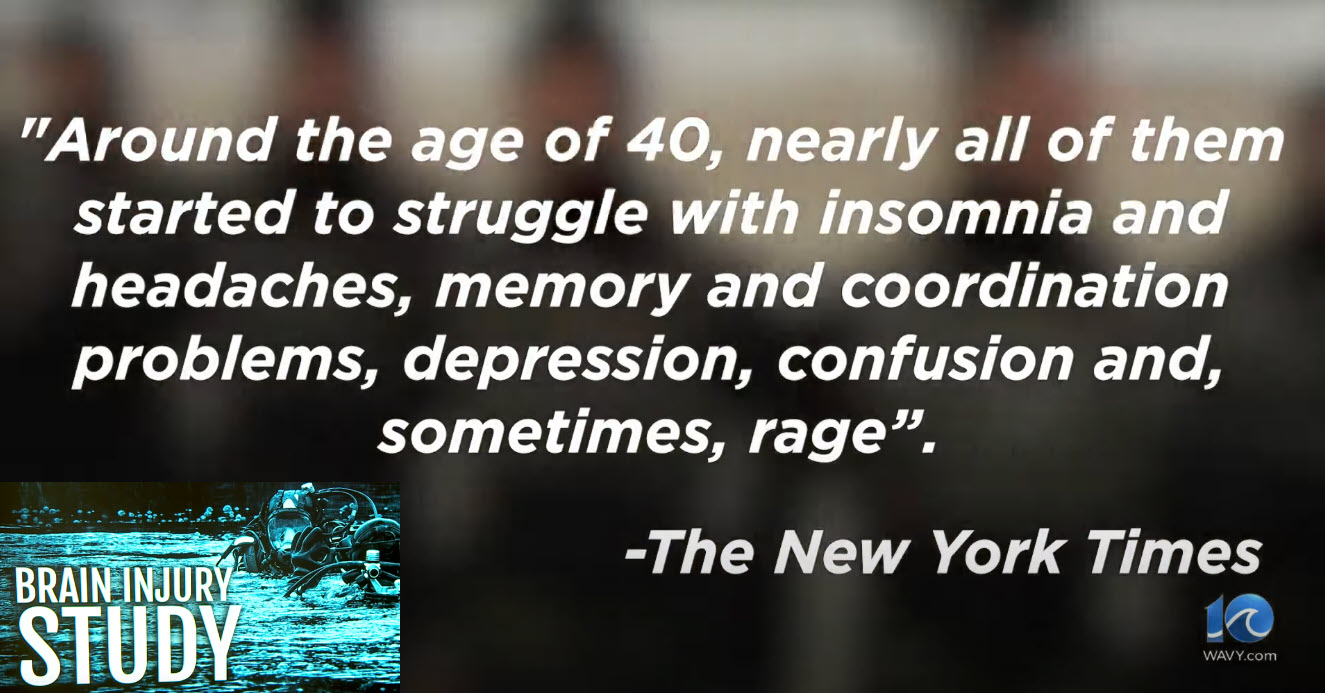
A groundbreaking new study has identified a significant link between repeated low-level blasts experienced by soldiers during weapon firing and brain damage. This discovery, reported by The New York Times, emerges from a military laboratory’s investigation into brain samples from 12 Navy SEALs who died by suicide over the past decade.
The study reveals that these soldiers exhibited visible brain damage, suggesting that the repeated concussive forces endured during training exercises may have severe long-term neurological effects. This finding is crucial for understanding the mental health challenges faced by military personnel, particularly those involved in high-intensity combat and training scenarios.
Dr. Karen DeCocker, the director of advanced practitioners at the Stella Center in San Diego, has treated numerous advanced armed forces members and is not surprised by the study’s conclusions. “The proof provided by this study is a welcome addition to our practice,” DeCocker tells NBC 7. She believes the documented evidence will enhance the precision of treatments for soldiers suffering from similar conditions.
DeCocker hopes that the study’s findings will prompt the Department of Veterans Affairs (VA) to increase its support for veterans and active-duty military members. “This report should be a catalyst for the VA to do more for those who have served and continue to serve our country,” she asserts.
The study’s implications extend beyond individual care, highlighting the need for systemic changes in how the military manages and mitigates the risks associated with training-related blasts. By acknowledging and addressing the connection between weapon blasts and brain damage, it is possible to develop more effective preventative measures and treatment protocols, potentially reducing the incidence of related mental health issues among soldiers.
As the military community and healthcare providers digest these findings, the hope is that this study will lead to significant advancements in protecting the neurological health of service members and providing them with the care they need.

