

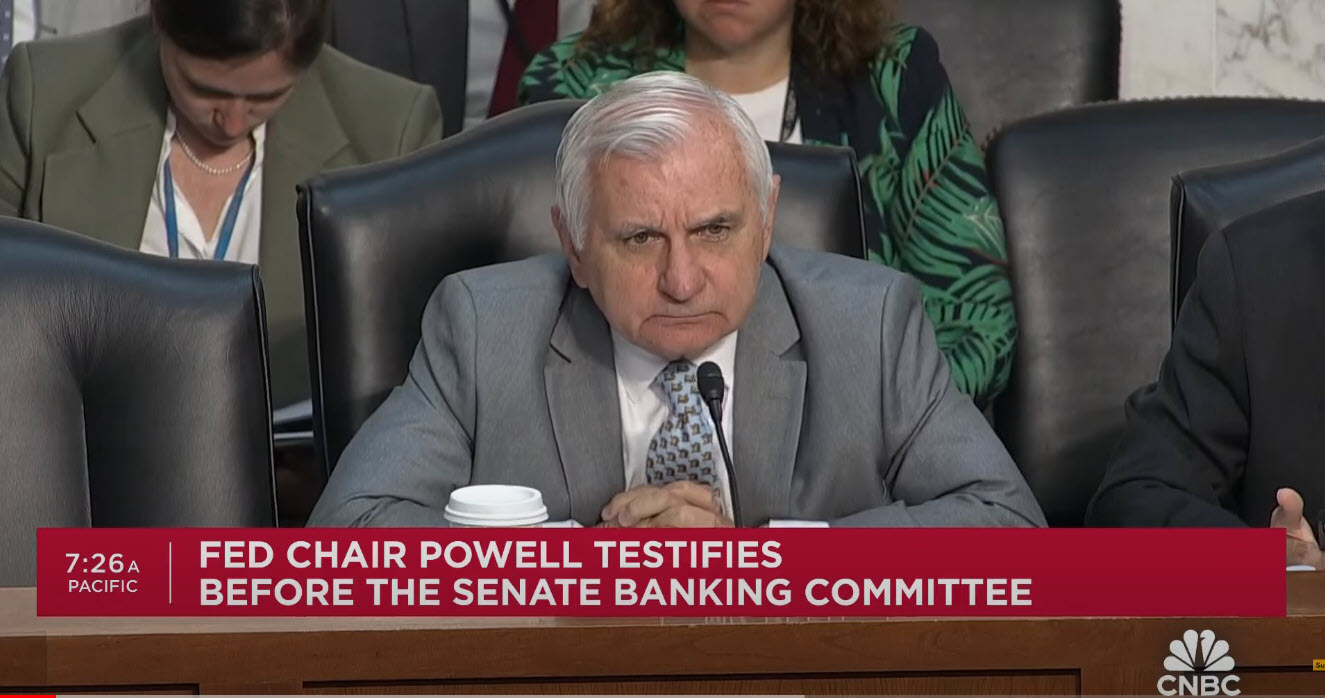
Federal Reserve Chair Jerome Powell emphasized today that high inflation is not the only threat to the U.S. economy, highlighting the complexity of the current economic landscape. Speaking before Congress, Powell reiterated his cautious stance on interest rates, stressing the need for more substantial evidence of cooling inflation before making any cuts.
Powell acknowledged that recent data indicating a slight rise in unemployment could influence the Fed’s decision to reduce rates sooner. “We are seeing some positive trends in the economic data,” Powell noted, but he also cautioned that waiting too long to adjust rates could adversely impact both the economy and the labor market.
The Fed chair emphasized the importance of examining a broader range of economic indicators before making any decisions on rate cuts. This comprehensive approach ensures that the Fed’s actions are well-informed and balanced, taking into account various factors that could affect the economy’s trajectory.
“While inflation remains a significant concern, it’s crucial to recognize that other risks are also at play,” Powell told Congress. He pointed out that the economy’s upward trend is a positive sign, but vigilance is necessary to navigate potential pitfalls.
The Federal Reserve’s strategy involves closely monitoring economic data, including unemployment rates, inflation figures, and other key indicators. Powell’s testimony underscores the Fed’s commitment to a data-driven approach in managing monetary policy.
As the economy continues to evolve, the Fed’s decisions on interest rates will play a critical role in shaping the economic landscape. Powell’s remarks highlight the delicate balance the Federal Reserve must maintain to support growth while controlling inflation.

