

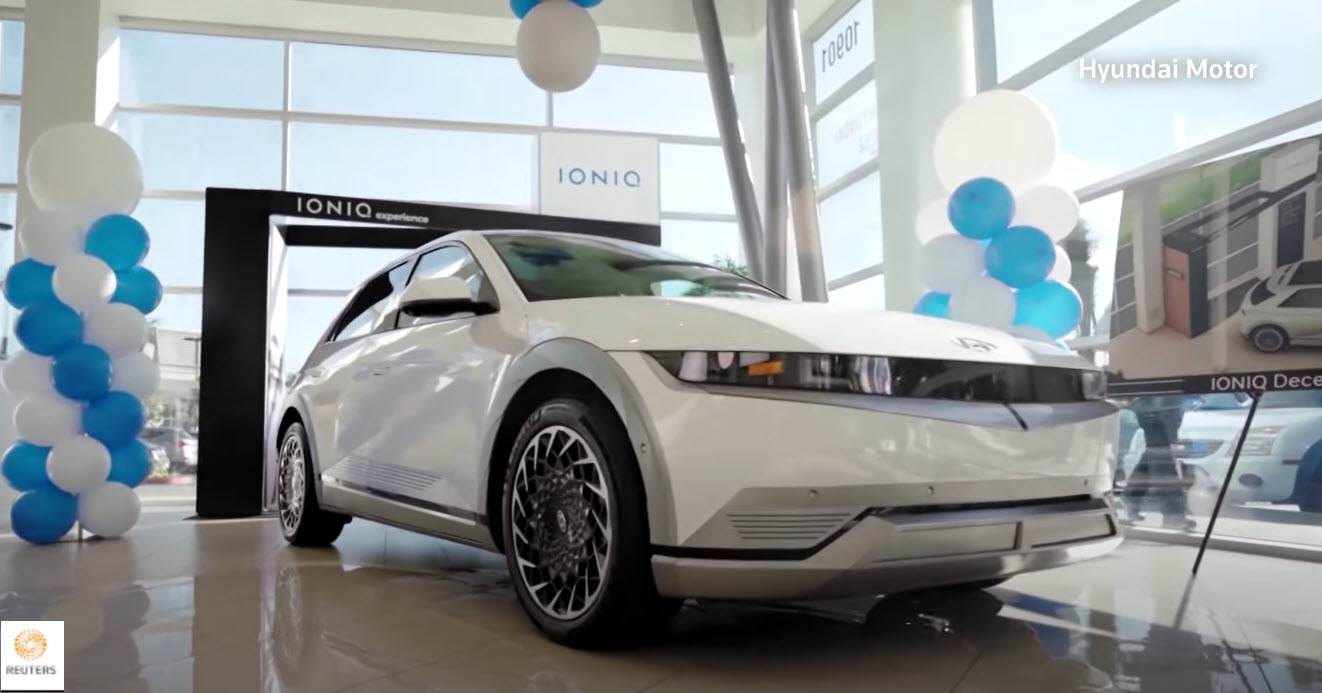
A group of Hyundai dealers has filed a lawsuit against the South Korean automaker, alleging that the company engaged in deceptive practices by inflating sales figures for electric vehicles (EVs) and penalizing dealers who refused to participate. The lawsuit, filed in Chicago, claims that Hyundai pressured dealers to manipulate inventory codes to artificially boost the appearance of EV sales.
According to the lawsuit, Hyundai incentivized dealers who complied with these practices by offering price discounts and other rewards. Those who did not participate reportedly faced punitive measures, creating a coercive environment aimed at misleading investors about the true sales performance of Hyundai’s electric vehicle lineup.
The dealers assert that Hyundai’s actions were driven by a desire to present an inflated image of success in the growing EV market, thereby attracting more investment and enhancing the company’s market position. The lawsuit suggests that this manipulation not only deceives investors but also creates an uneven playing field among dealers, with those refusing to engage in deceptive practices being unfairly disadvantaged.
Hyundai has yet to respond to the specific allegations outlined in the lawsuit, but the case highlights broader concerns about transparency and ethical practices within the automotive industry, particularly as companies transition to electric mobility.
The legal battle comes at a time when Hyundai is making significant investments in electric vehicle technology and production, aiming to compete with established and emerging players in the EV market. The outcome of this lawsuit could have far-reaching implications for Hyundai’s business practices and its reputation among both investors and consumers.

