

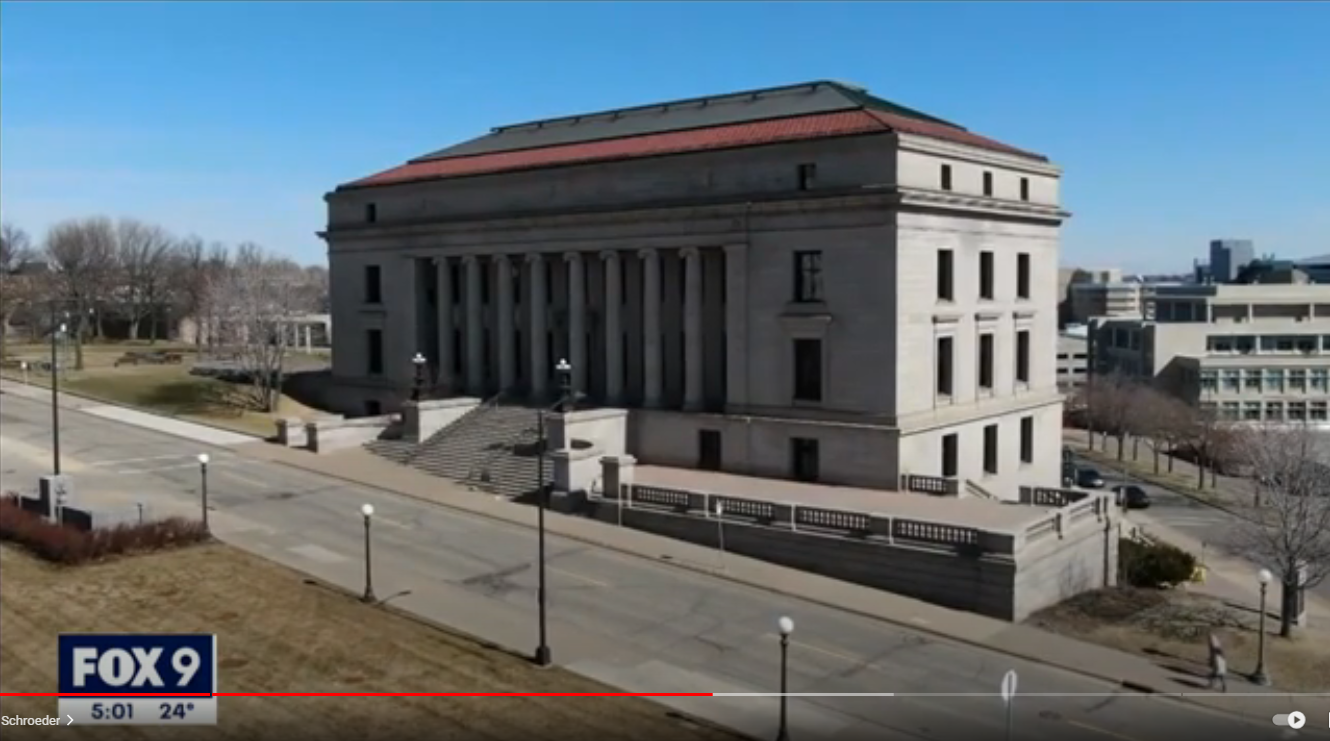
The Minnesota Supreme Court has upheld a law that restores the right to vote to felons upon their release from prison. This decision solidifies a significant measure championed by Governor Tim Walz, who is currently the vice-presidential pick for the Democratic party.
The law, enacted in 2023, faced a challenge from the Minnesota Voters Alliance, which argued against its constitutionality. However, the state’s highest court firmly rejected the challenge, affirming the legality of the legislation. The court’s ruling is seen as a victory for voting rights advocates and a significant step towards greater inclusivity in the electoral process.
Governor Walz has been a vocal supporter of the law, emphasizing the importance of reintegrating individuals back into society and ensuring their participation in democratic processes. “Restoring voting rights is a crucial part of rehabilitation and reintegration for those who have served their time,” Walz stated. “It’s about giving people a second chance and recognizing their role in our community.”
With the court’s decision, an estimated 57,000 Minnesota felons are now newly eligible to vote. This change is expected to have a considerable impact on voter turnout and engagement in the state, particularly among communities that have been disproportionately affected by incarceration.
The Minnesota Voters Alliance, which brought the challenge, expressed disappointment with the ruling but acknowledged the court’s authority. “We respect the decision of the Minnesota Supreme Court, though we remain concerned about the broader implications for election integrity,” a spokesperson for the group commented.
This ruling places Minnesota among a growing number of states that have reformed laws to restore voting rights to individuals with felony convictions. Advocates for criminal justice reform argue that such measures are essential for fostering a more equitable and just society.
The decision also comes at a politically significant time, with Governor Walz gaining national attention as the Democratic vice-presidential candidate. His advocacy for voting rights and criminal justice reform is likely to be a focal point in the upcoming election.
Felons in Minnesota who have completed their prison sentences can now look forward to participating in the democratic process, an essential aspect of their reintegration into society. Voting rights organizations and community groups are mobilizing to assist these newly eligible voters in registering and preparing for upcoming elections.
As the state prepares for the next electoral cycle, this decision is expected to bring new energy and voices to the polls, contributing to a more representative and inclusive democracy in Minnesota.

