

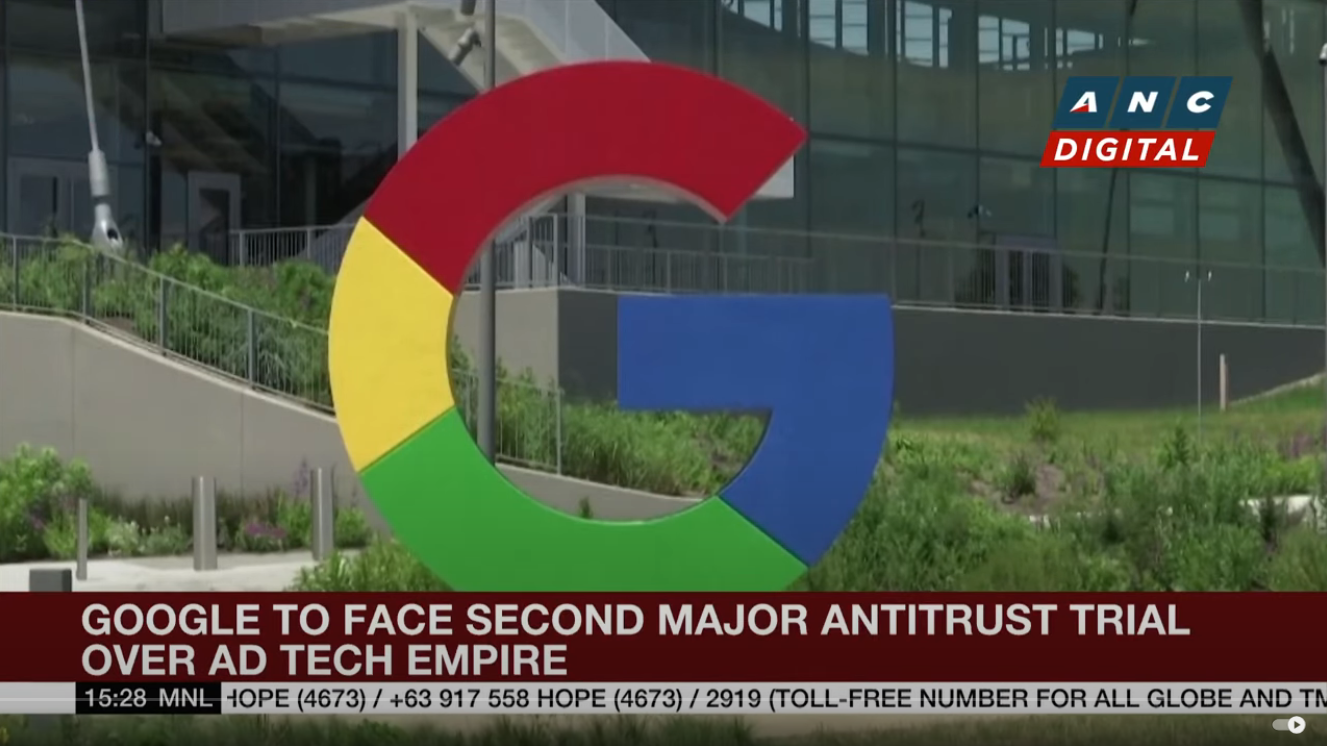
The U.S. Department of Justice’s highly anticipated antitrust case against Google, which began last week, is now in full swing, with prosecutors arguing that the tech giant’s dominance in online ad technology stifles competition from smaller companies. The DOJ is accusing Google’s parent company, Alphabet, of using its vast market control to inhibit other businesses from gaining a foothold in the online advertising space, effectively creating a monopoly.
The case is one of the most significant antitrust trials against a tech company in decades and could reshape the future of digital advertising. Prosecutors allege that Google’s ad technology forces advertisers and publishers to rely on its platforms, blocking fair competition and keeping smaller companies from thriving.
Google, however, denies the DOJ’s claims, arguing that the online ad market is filled with competition, including in areas such as apps and connected TV. The company asserts that its advertising services provide value to customers and support a wide range of digital content creators.
The trial is expected to last several weeks, with both sides presenting detailed evidence and expert testimony. If the DOJ succeeds, the ruling could result in major changes to how Google operates its ad services, potentially even forcing the company to break up parts of its business.
The case represents a key moment in the broader debate over the power of Big Tech and whether dominant companies should face more stringent regulations to protect competition and innovation.

