

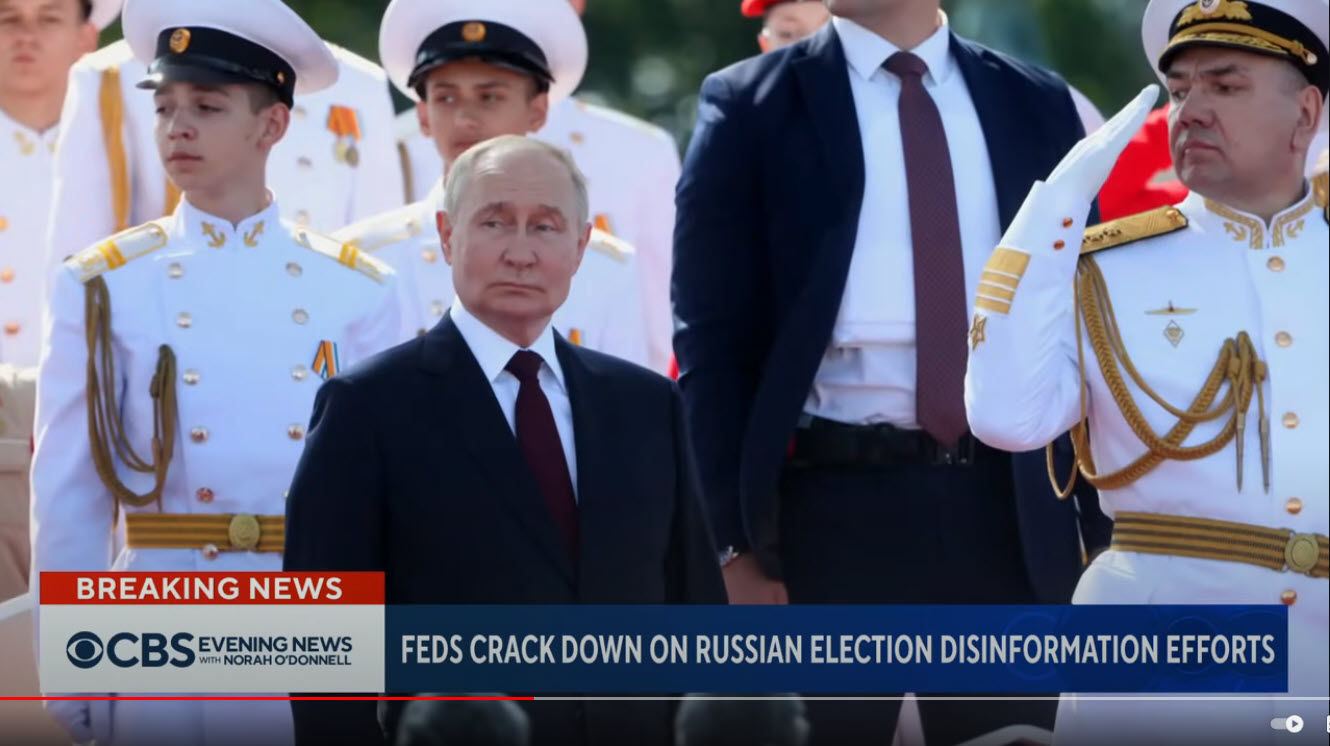
The Biden Administration has announced a new global effort aimed at curbing the influence of Russian media, particularly the state-controlled outlet RT (formerly known as Russia Today). The U.S. government claims that RT plays a central role in disseminating Russian disinformation and has been instrumental in supporting Russia’s intelligence operations around the world. As part of this initiative, the administration is launching a campaign to inform countries about the risks posed by Russian media activities.
Secretary of State Antony Blinken, speaking on behalf of the administration, stressed the dangers of allowing disinformation to spread unchecked, calling it a direct threat to democratic institutions globally. “Disinformation threatens the fabric of our democracy,” Blinken said. “We are taking significant steps to ensure that countries understand the risks associated with RT and other Russian media outlets, which have been used as tools for manipulation and influence by the Kremlin.”
RT has long been criticized by Western governments for promoting narratives that align with Russian state interests, often portraying Western democracies in a negative light while amplifying Moscow’s viewpoints. The Biden administration’s new effort marks a significant step in its broader campaign against foreign interference and disinformation.
According to the administration, RT is not just a news outlet but a key player in Russia’s intelligence and influence operations, advancing Kremlin-aligned narratives to undermine democratic societies. The media organization has been accused of spreading false or misleading information on topics ranging from elections to public health crises, including the COVID-19 pandemic.
A senior official from the State Department explained that the campaign will involve sharing intelligence and evidence with allied nations, helping them understand the influence operations at play, and providing guidance on how to mitigate the risks of Russian media in their countries.
Blinken underscored the significance of the administration’s actions, noting that disinformation can be “a very dangerous thing.” He pointed out that Russian media outlets, particularly RT, are engaged in sophisticated efforts to shape public opinion and sow discord in other nations. These activities are viewed as part of a larger strategy by the Russian government to destabilize its adversaries, both through traditional intelligence operations and the strategic use of media platforms.
By raising awareness and encouraging other governments to act, the U.S. hopes to limit the reach of RT and similar outlets in global media spaces. The campaign also seeks to promote transparency about the ownership and motives behind such media organizations, allowing citizens and officials worldwide to better understand the potential biases and risks involved.
The administration’s effort comes at a time when many countries are grappling with the issue of foreign influence and disinformation. In recent years, multiple European nations, including Germany and the United Kingdom, have enacted laws to curb the influence of foreign state-controlled media, with RT facing fines and restrictions in some markets.
The Biden administration aims to build on these efforts by fostering international cooperation. The State Department will work closely with NATO allies, the European Union, and other global partners to ensure that Russian disinformation efforts are countered effectively and systematically.
As part of the campaign, the administration will deploy resources to support fact-checking initiatives, enhance media literacy programs, and strengthen international legal frameworks to address disinformation. Officials emphasize that the goal is not to suppress free speech, but to ensure that state-sponsored propaganda does not go unchecked and does not erode democratic processes.
Moving forward, the Biden administration is expected to continue its focus on combating foreign influence operations, recognizing that media manipulation has become one of the most potent tools in modern hybrid warfare. The steps taken today mark the beginning of a long-term strategy to safeguard the integrity of information and protect democratic institutions around the world.

