

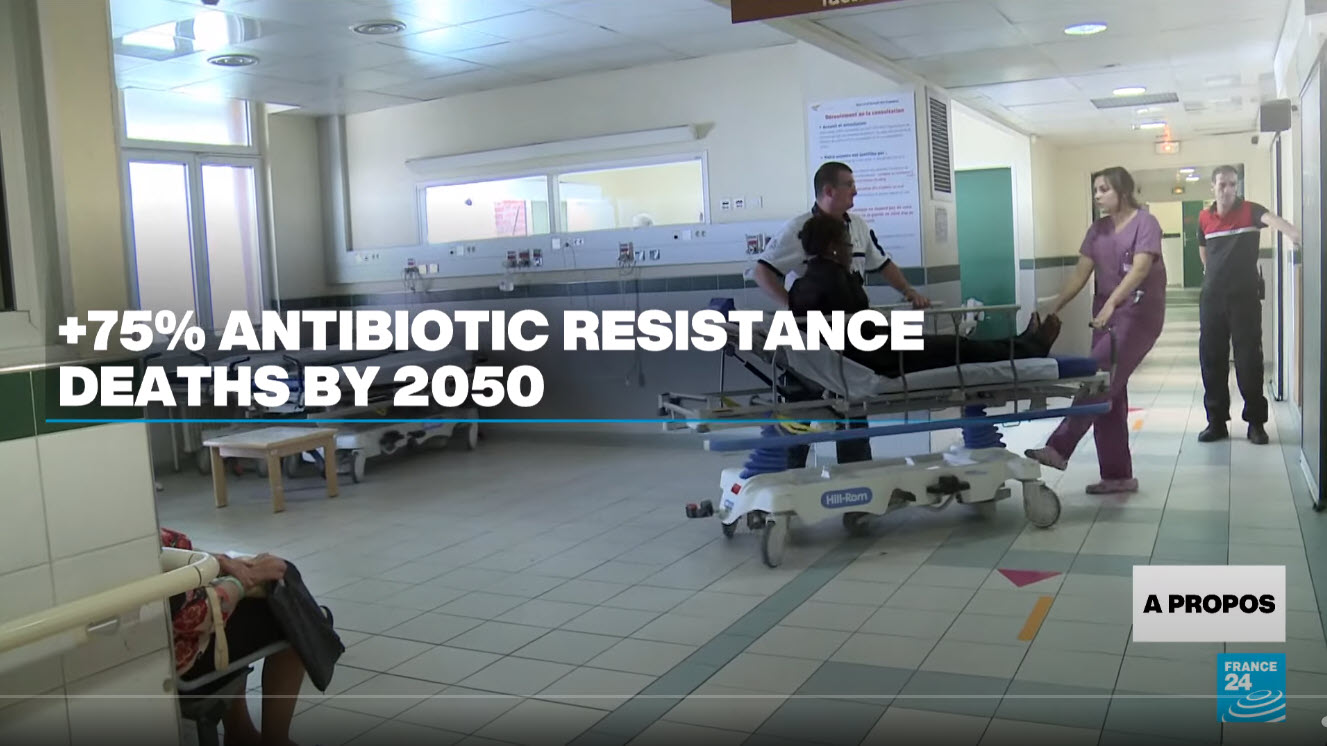
A new global study has issued a stark warning: 39 million people could die worldwide by 2050 due to the rapid rise of antimicrobial resistance (AMR). Published in the British medical journal The Lancet, the study highlights how bacteria, viruses, fungi, and parasites are evolving to resist antibiotics, rendering many of today’s life-saving treatments ineffective.
AMR, often referred to as the “silent pandemic,” is primarily driven by the overuse and misuse of antibiotics, particularly for common illnesses such as colds or viral infections, which do not respond to antibiotic treatment. Antibiotics are designed to combat bacterial infections like pneumonia, sepsis, and life-threatening fungal infections. However, the widespread and often unnecessary use of these drugs in both human medicine and livestock production is causing bacteria to mutate into “superbugs” that are no longer treatable with conventional medicines.
The study, which examined data from over 200 countries, reveals a staggering 80% increase in AMR-related deaths over the past 30 years among people aged 70 and older. With the global population aging and healthcare systems becoming more reliant on antibiotic therapies, the implications of AMR could become catastrophic if new antibiotics are not developed, and current usage patterns are not significantly curbed.
A Global Health Crisis Unfolding
AMR is already responsible for around 1.27 million deaths annually, and the situation is worsening. The study predicts that, without immediate intervention, the global death toll from antimicrobial resistance will climb to 10 million per year by 2050, surpassing fatalities from cancer, diabetes, and road accidents combined. This projection suggests a cumulative death toll of 39 million people over the next three decades.
Experts say the overprescription of antibiotics is a major contributor to the crisis. Many patients are given antibiotics for conditions that do not require them, such as viral infections like the common cold. In addition, antibiotics are frequently used in livestock and food production to promote growth and prevent disease in crowded farming conditions. This practice not only accelerates resistance in animals but also passes drug-resistant bacteria through the food chain to humans.
The Urgent Need for Action
The study underscores the pressing need for global action on several fronts. Dr. Susan Hopkins, one of the lead researchers, emphasizes that without new antibiotics and better stewardship of existing ones, the world could face a future where routine surgeries and minor infections become life-threatening once again. “We are standing at the precipice of a post-antibiotic era,” Hopkins warns. “Unless we take immediate action, AMR will reverse decades of medical progress.”
In addition to the development of new antibiotics, the study calls for stricter regulations on antibiotic use in both humans and animals. It highlights the necessity of investing in public awareness campaigns to educate people about the proper use of antibiotics and the dangers of self-medication.
Governments and international organizations, such as the World Health Organization (WHO), are already working to address the issue. However, the pace of progress has been slow. The WHO has identified AMR as one of the top ten global public health threats, but efforts to curb it are often undermined by inadequate funding, the high cost of drug development, and the economic incentives for pharmaceutical companies to focus on more profitable treatments.
The Economic and Social Impacts
Beyond the direct health implications, AMR is also expected to have devastating economic consequences. The World Bank estimates that by 2050, antimicrobial resistance could push an additional 24 million people into extreme poverty, particularly in low- and middle-income countries where access to healthcare is already limited. The economic burden of drug-resistant infections could cost the global economy up to $100 trillion over the next 30 years, due to healthcare costs, lost productivity, and disruptions to food production systems.
In response to the escalating crisis, public health experts are urging the international community to come together to create stronger global surveillance systems, promote research and development into new antibiotics, and establish frameworks to reduce antibiotic use in agriculture and food production.
A Call for Innovation and Collaboration
While the future looks bleak, there is hope that new scientific breakthroughs could change the course of the crisis. Researchers are currently exploring alternative treatments, including bacteriophages (viruses that target bacteria), antimicrobial peptides, and the repurposing of existing drugs to tackle resistant strains.
Additionally, several countries have begun implementing stricter regulations on antibiotic prescriptions and usage in food production. For example, the European Union has banned the use of antibiotics as growth promoters in livestock since 2006, and other nations are considering following suit.
As the world grapples with this looming health emergency, experts agree that a coordinated, multi-sectoral approach is essential. Without immediate action, the world may face a return to a time when infections that were once easily treatable with antibiotics become deadly once more.

