

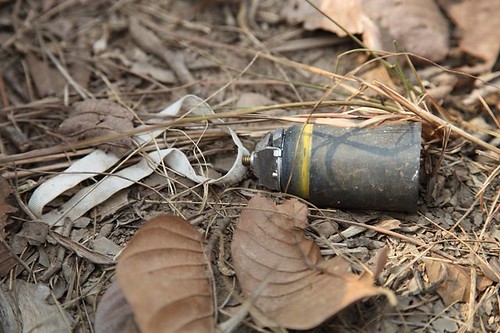
In a move that has sparked intense debate and garnered international attention, President Joe Biden has made the decision to send Ukraine a package of controversial weapons, including cluster munitions. Cluster munitions, known for their indiscriminate nature and potential for causing civilian casualties, have long been a subject of global concern and are banned by many nations. This article aims to shed light on the nature of cluster munitions and the implications of Biden’s decision.
Understanding Cluster Munitions:
Cluster munitions are weapons designed to disperse submunitions or bomblets over a wide area. These submunitions are often packed into canisters or delivered by artillery or rockets. When they explode, they release hundreds of small explosive projectiles, spreading out over a large radius. The intended purpose is to target military personnel and equipment, but their imprecise nature poses significant risks to civilians, as unexploded bomblets can remain a threat long after a conflict ends.
The International Stance:
The use and production of cluster munitions have been widely condemned due to their indiscriminate nature. The majority of countries, including the United States, have signed the Convention on Cluster Munitions, an international treaty that prohibits the use, production, transfer, and stockpiling of these weapons. The convention seeks to protect civilians by eliminating the humanitarian harm caused by cluster munitions and providing assistance to affected communities.
Biden’s Decision:
The decision by the Biden administration to send cluster munitions to Ukraine has sparked outrage among human rights organizations and concerned individuals globally. Critics argue that providing such weapons contradicts the principles of the Convention on Cluster Munitions and undermines efforts to promote peace and stability. They fear that the use of cluster munitions in the ongoing conflict between Ukraine and Russia could exacerbate civilian casualties and further escalate the situation.
The Rationale Behind the Decision:
Proponents of the decision argue that providing Ukraine with cluster munitions is a strategic move to bolster the country’s defense capabilities against Russian aggression. They argue that cluster munitions could help Ukrainian forces effectively respond to Russian incursions and deter further attacks. Proponents also claim that the cluster munitions being supplied adhere to international standards and are equipped with safety features to minimize civilian harm.
Global Response:
The international community has been quick to respond to Biden’s decision, expressing a range of opinions. Some nations, particularly those supportive of Ukraine’s sovereignty, have cautiously welcomed the move, emphasizing the need to enhance Ukraine’s defensive capabilities. However, human rights organizations and countries adhering to the Convention on Cluster Munitions have criticized the decision, citing concerns about civilian casualties and the potential for escalating the conflict.
Conclusion:
The decision to provide Ukraine with controversial weapons, including cluster munitions, has ignited a fierce debate on the global stage. While proponents argue that the move will bolster Ukraine’s defense capabilities, critics fear the potential humanitarian consequences and the violation of international agreements. As the situation unfolds, it remains to be seen how this decision will impact the ongoing conflict in Ukraine and the broader discourse surrounding the use of cluster munitions worldwide.
| Photo by Stéphane De Greef, Landmine and Cluster Munition Monitor

