

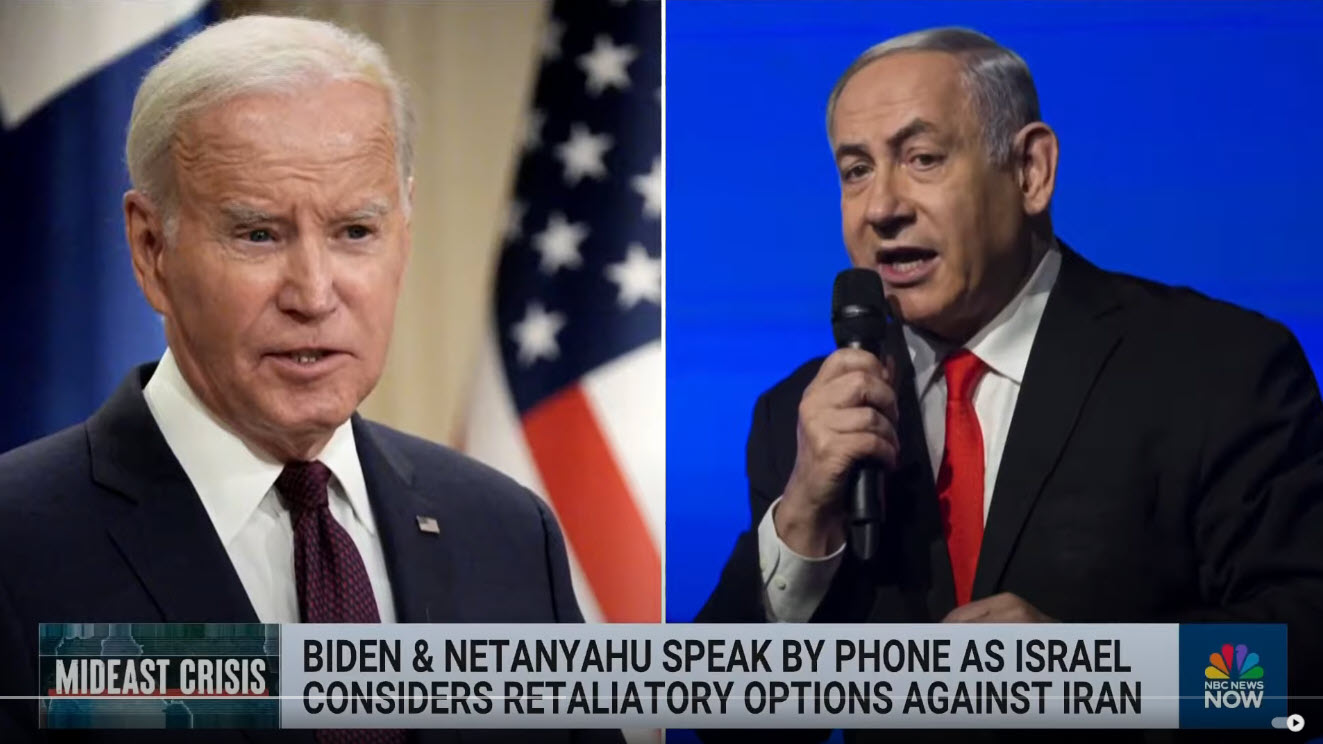
President Joe Biden and Israeli Prime Minister Benjamin Netanyahu held a critical phone call yesterday, discussing Israel’s potential response to last week’s missile attack by Iran. The call, which also included Vice President Kamala Harris, marked the first time the two leaders had spoken since August. Tensions in the region are escalating as Israel weighs its options for retaliation, while Netanyahu issued a stark warning to Lebanon regarding Hezbollah’s role in the conflict.
According to the White House, the call was “direct and productive,” focusing on Israel’s security and the broader regional implications of Iranian aggression. The conversation comes amid increasing concerns over Iran’s influence in Lebanon through its proxy Hezbollah, a militant group long opposed to Israel. Netanyahu warned that the Lebanese people must rise up against Hezbollah or face “destruction and suffering” similar to what has occurred in Gaza during the ongoing conflict with Hamas.
The missile attack from Iran, which targeted Israeli positions, has intensified an already volatile situation in the Middle East. Netanyahu made it clear that Israel is prepared to defend itself against any threats, including those from Hezbollah, which has been amassing weapons near Israel’s northern border. His warning to Lebanon is seen as a message to the Iranian-backed group, urging civilians to distance themselves from Hezbollah’s activities to avoid becoming collateral in any future military operations.
This conversation between Biden and Netanyahu is particularly significant, as reports suggest a strained relationship between the two leaders. Recent excerpts from Bob Woodward’s upcoming book “War” reveal that President Biden has expressed frustration with Netanyahu, reportedly calling him a “liar” and a “bad guy” in private conversations. Despite these tensions, the U.S. has continued to extend public support to Israel, especially as it navigates its ongoing war in Gaza and its broader regional security concerns.
The Biden administration has maintained a delicate balance in the Middle East, supporting Israel’s right to defend itself while also pushing for diplomacy to prevent further escalation. With the inclusion of Vice President Harris in the call, it is clear that the U.S. is paying close attention to the dynamics in the region, particularly the threat posed by Iran’s continued aggression through its proxies.
As Israel considers its next steps, the international community watches closely, knowing that any Israeli response to Iran could ignite a broader conflict involving Hezbollah and other actors in the region. The White House has not yet provided detailed information about what specific actions Israel may take, but both nations reaffirmed their commitment to ensuring Israel’s security in the face of mounting threats.

