

In a sudden and dramatic shift, German Chancellor Olaf Scholz has dismissed Finance Minister Christian Lindner, leading to the collapse of the ruling coalition and paving the way for a snap election. The decision, announced on November 6, has thrown Germany into political turmoil, disrupting stability in Europe’s largest economy just as Donald Trump wins the U.S. presidential election, signaling potential shifts in global alliances.
The breakdown of the coalition government between Scholz’s Social Democratic Party (SPD), the Free Democratic Party (FDP), and the Greens comes after months of underlying tensions over budget priorities, defense spending, and climate policy. The dismissal of Lindner, leader of the pro-business FDP, signals a decisive move by Scholz to reassert control amid growing discord within the coalition. Lindner’s FDP had frequently clashed with Scholz and the Greens on fiscal matters, advocating strict spending cuts and debt controls that ran counter to the SPD’s social investment agenda.
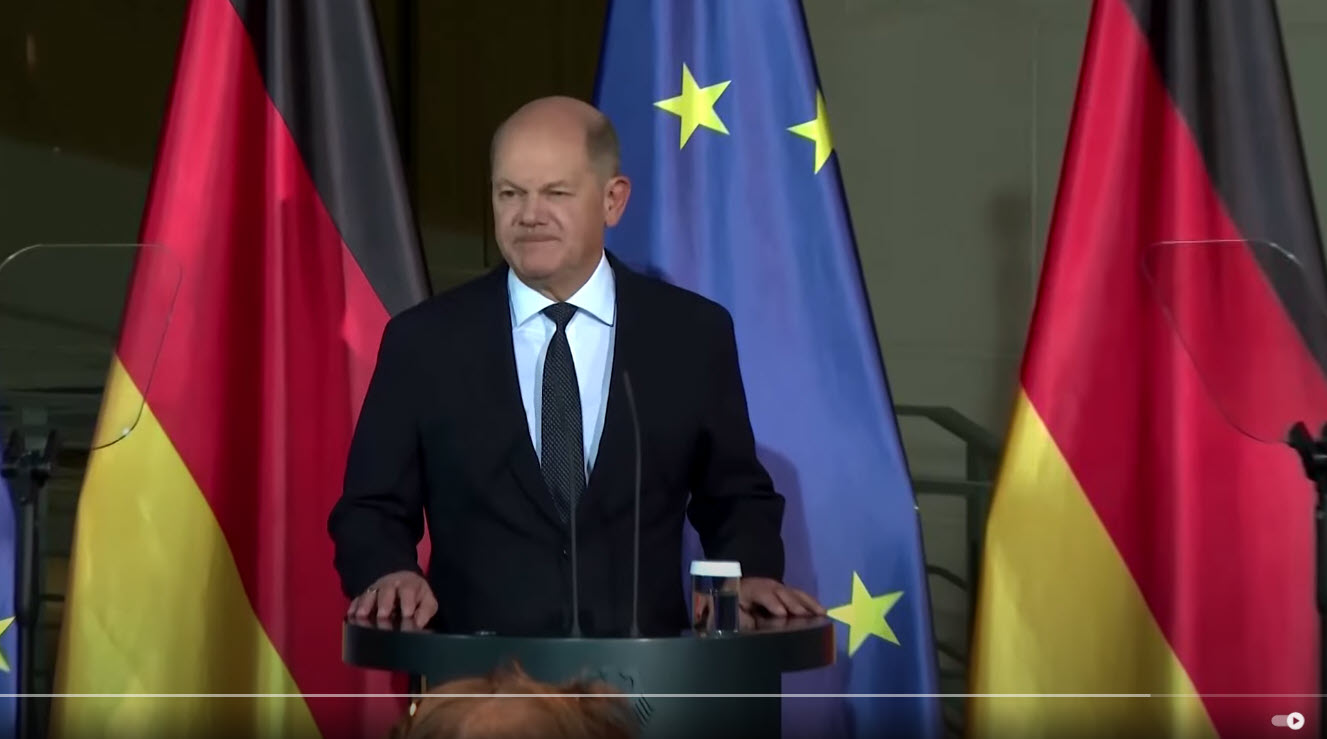
In a televised statement, Scholz emphasized that “Germany needs unity and decisive action in this time of economic challenge,” and asserted that Lindner’s removal was necessary to restore cohesion within the government. The decision to dismiss the finance minister follows heated debates on Germany’s budget for 2024, as well as disagreements over how to handle economic challenges posed by inflation, energy costs, and pressures stemming from the war in Ukraine.
Lindner’s ousting has led to a swift response from the FDP, whose leaders have publicly criticized Scholz’s decision as a breach of trust, effectively ending the coalition’s fragile unity. In response, Lindner called Scholz’s actions “a betrayal of Germany’s democratic principles,” stating that the chancellor had “abandoned cooperative leadership.” Green Party leaders, caught in the middle of the coalition dispute, have expressed regret over the split but acknowledged that the differences had become insurmountable.
The dissolution of the coalition government has prompted calls for a snap election, which is expected to take place early next year. German President Frank-Walter Steinmeier is set to meet with party leaders to discuss next steps and formalize the process of dissolving parliament, initiating Germany’s first snap election in decades. Analysts predict a turbulent electoral season ahead, as parties scramble to reorganize and re-engage with voters amid shifting economic and geopolitical landscapes.
The sudden collapse of Germany’s government has raised concerns across Europe, where stability in Berlin is seen as crucial to the European Union’s political and economic cohesion. Germany’s political shake-up comes at a particularly sensitive time for the EU, as member states grapple with high inflation, energy insecurity, and questions about the bloc’s future direction. Many in Europe worry that the prolonged uncertainty in Germany could weaken EU leadership in addressing collective challenges, including relations with Russia and ongoing economic recovery efforts.
This political upheaval comes just as the U.S. prepares for a new administration under President-elect Donald Trump, whose foreign policy stance is expected to shift U.S.-European relations significantly. Observers note that Germany’s leadership crisis may leave a power vacuum in Europe, complicating the EU’s coordination with a more nationalistic U.S. administration.
As Germany prepares for the snap election, the SPD, FDP, and Greens are expected to recalibrate their platforms, potentially leading to a reconfigured government. Until the election, Scholz will lead a caretaker administration, but his political future remains uncertain amid questions about the viability of his leadership. For now, the stage is set for a high-stakes election that could redefine Germany’s role in Europe and on the global stage.

