

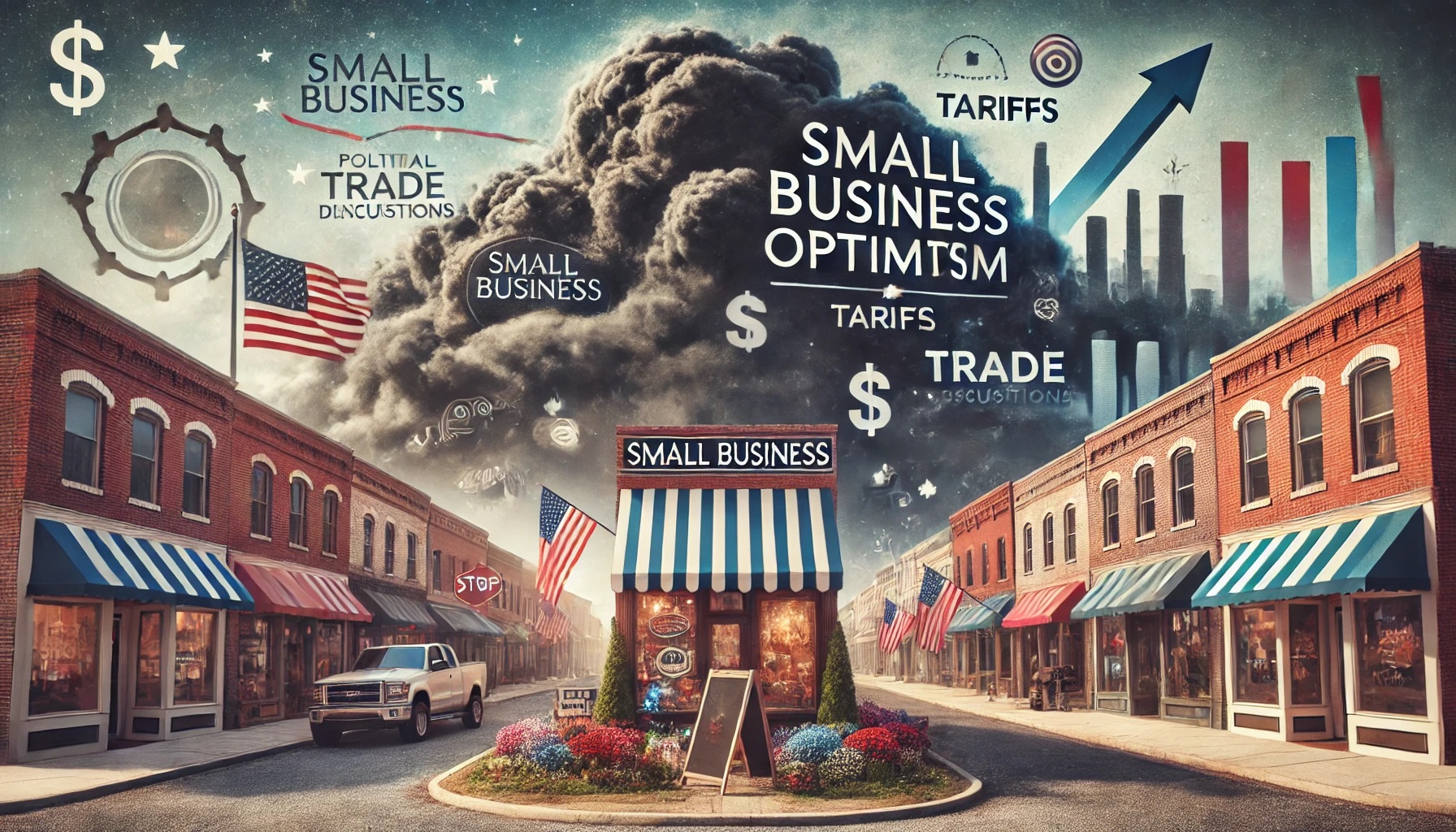
With speculation rising over a potential second Trump presidency, small business leaders across the country, particularly in Texas, are expressing optimism mixed with caution. Many hope that President-elect Trump’s policies favoring deregulation and tax cuts will be reinstated, but concerns over proposed tariffs loom large for small businesses.
The stock market has shown robust performance since election day, and small business owners are looking forward to what they believe could be a more favorable environment under Trump. Jeff Burdett, head of the Federation of Independent Businesses in Texas, reflects this sentiment, pointing to the benefits that came with Trump’s first term. “During the previous administration, we saw fewer regulations and more targeted business tax cuts,” Burdett says. This regulatory relief allowed smaller companies to allocate resources toward growth, he adds, instead of complying with stringent policies.
However, while optimism is high, there’s a growing sense of unease about tariffs floated during Trump’s recent campaign trail. A newly released study by the National Retail Federation (NRF) highlights the potential economic impact of these proposed tariffs, suggesting they could lead to increased costs for consumer products, affecting both retailers and consumers. The NRF study warns that these tariffs, if implemented, could result in a “significant and detrimental impact” on pricing, with the costs ultimately being passed down the supply chain.
According to Burdett, the business community has struggled under what they perceive as heavy-handed regulatory policies from the Biden administration. “The Biden administration has beaten down our members with policies that slow down business,” he remarks, referring to the series of regulations and compliance mandates that small business owners say have been costly and time-consuming to implement. He believes a Trump administration would ease these restrictions, giving small businesses more room to operate flexibly and thrive in an unpredictable economic environment.
For many small business owners, the balance of economic relief and tariff concerns is crucial. Supporters of Trump’s approach point to the administration’s ability to streamline regulations and ease tax burdens, which allowed for an environment they felt supported small business development and stability. At the same time, the uncertainty surrounding tariffs has left many wondering if potential benefits might be offset by increased operational costs.
As campaign season heats up, Texas-based businesses and national trade organizations alike will likely continue advocating for policies that protect their bottom lines while remaining wary of any tariffs that might undermine their profitability. Business leaders across the spectrum are hoping that clearer economic policies will be unveiled to help them better plan for the future, whether Trump returns to office or not.

